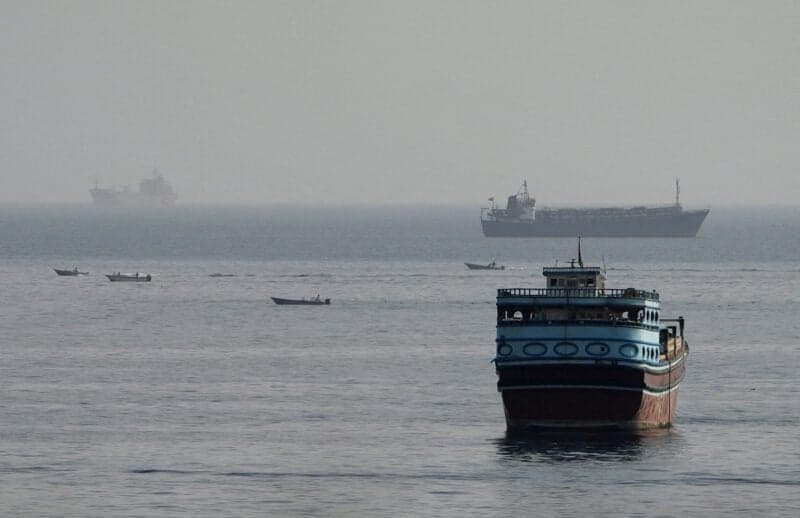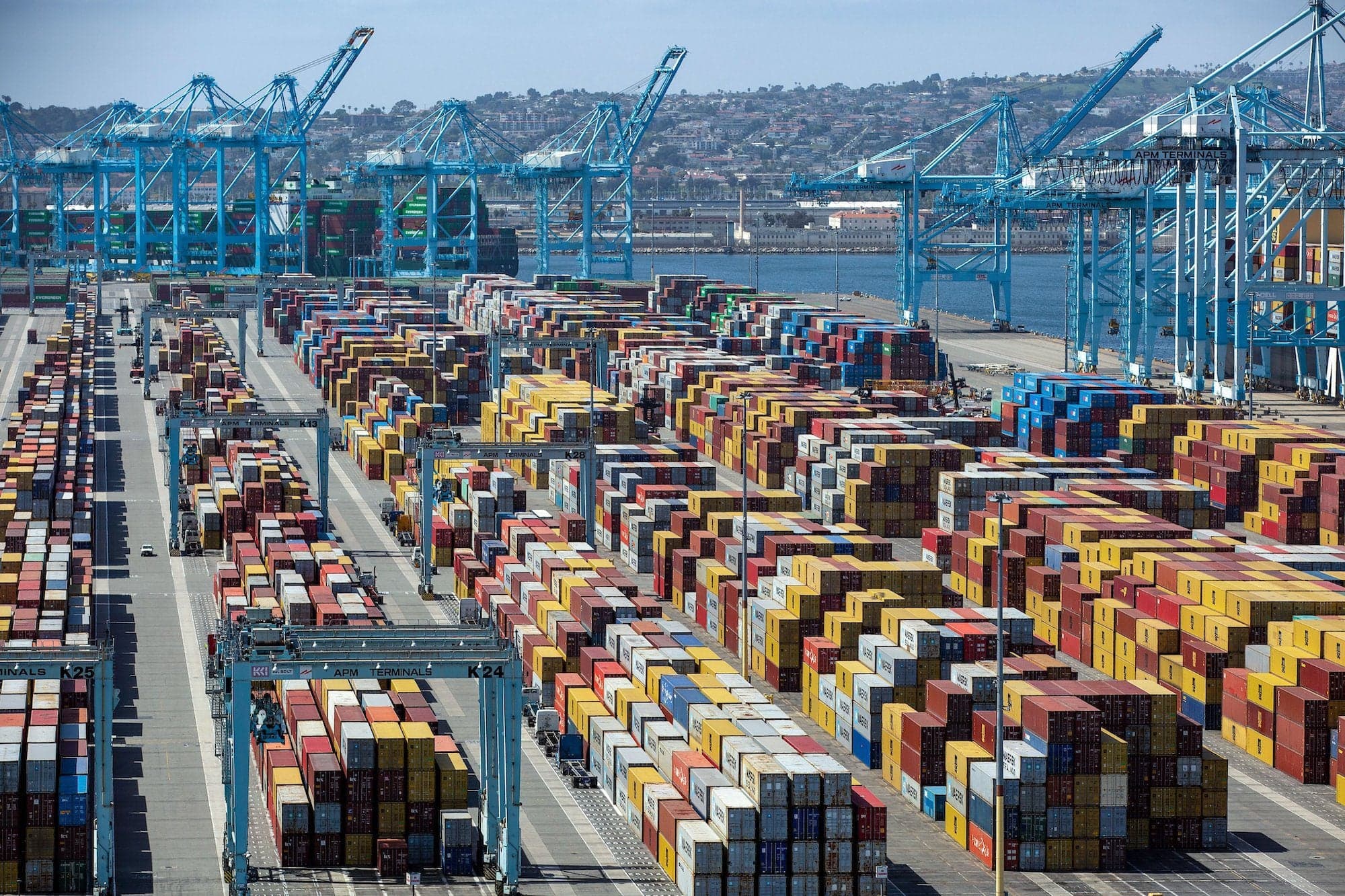
The Port of Los Angeles experienced strong cargo throughput in April, indicating a healthy flow of goods through the gateway. However, Executive Director Gene Seroka emphasized that the broader normalization of global shipping operations is contingent upon achieving enduring stability in the Strait of Hormuz. This critical chokepoint's security directly influences maritime trade routes and associated costs.
Seroka also highlighted the severe impact of high energy prices on the trucking industry, a vital component of the supply chain connecting ports to inland destinations. Increased fuel expenses for truckers translate into higher operational costs, which can ultimately affect freight rates and transit times for shippers.
For freight forwarders and operations managers, this assessment underscores the ongoing volatility in international logistics. The reliance on stable geopolitical conditions in key maritime regions like the Strait of Hormuz means that disruptions can rapidly escalate, affecting vessel scheduling, transit times, and insurance premiums. Furthermore, rising fuel costs for drayage and long-haul trucking will likely lead to increased inland transportation charges, necessitating careful budgeting and potentially influencing mode selection for time-sensitive or cost-sensitive cargo. Forwarders should monitor geopolitical developments and energy price trends closely to anticipate potential impacts on their supply chains and client shipments.