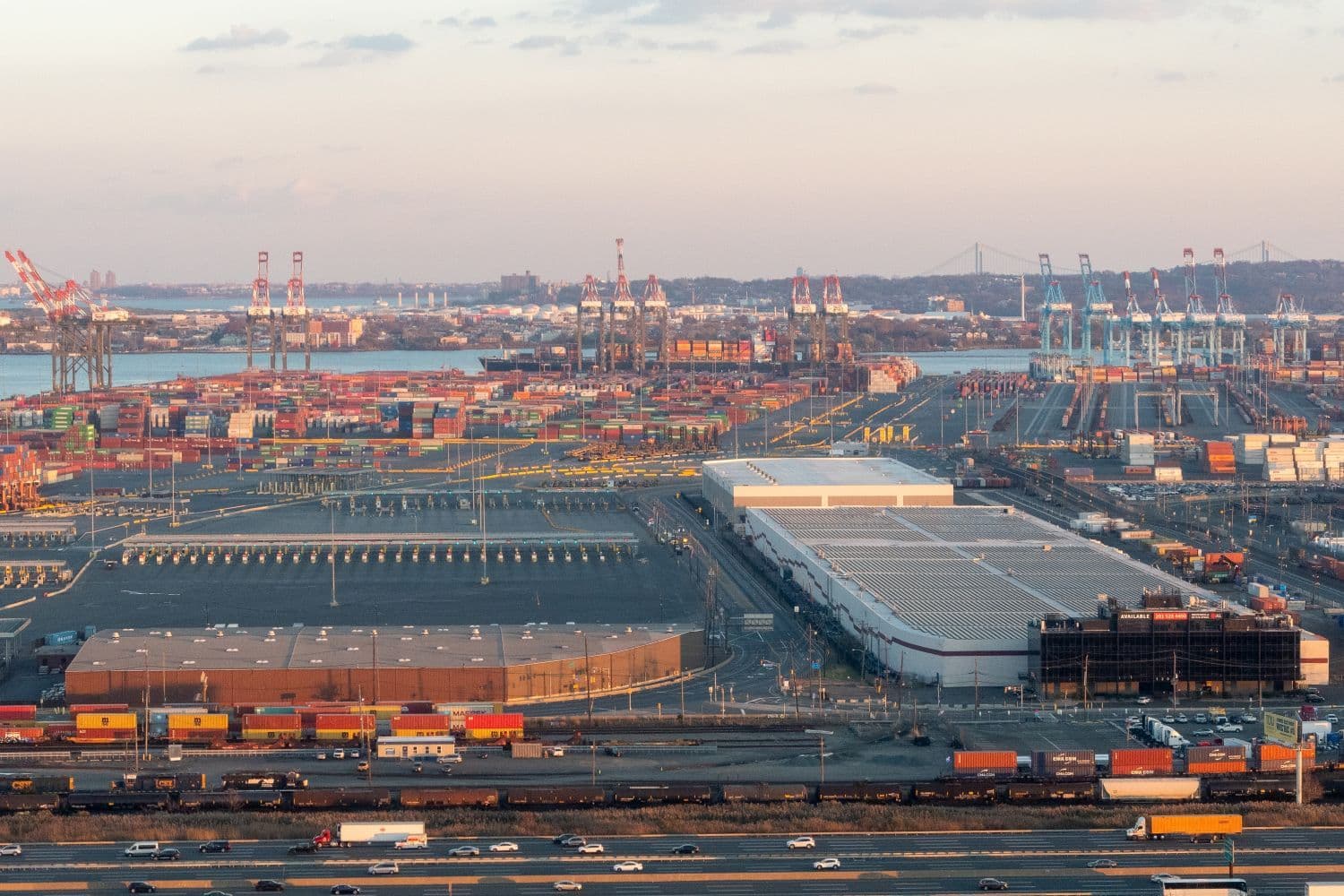
Terminal operators and port authorities are encouraged to adopt a more proactive role in the global supply chain. Instead of merely overseeing physical infrastructure, they should become central figures in developing and managing integrated logistics ecosystems. This transformation involves actively coordinating various logistical components to create a seamless flow of goods.
Historically, ports have primarily focused on providing and maintaining terminal facilities. However, the increasing complexity and interconnectedness of modern supply chains demand a broader perspective. By embracing an ecosystem approach, ports can foster greater collaboration among stakeholders, including carriers, freight forwarders, customs, and inland transport providers.
For freight forwarders and operations managers, this evolution could mean more streamlined processes and improved visibility. A port acting as an orchestrator could facilitate better data exchange, optimize cargo flows, and potentially reduce dwell times and congestion. This integrated approach aims to enhance overall efficiency, predictability, and resilience within the supply chain, offering more reliable transit times and potentially lower operational costs for shippers.
The future direction suggests that ports will play a pivotal role in digitalizing and connecting different segments of the logistics chain, moving beyond the traditional terminal gate functions to encompass a wider scope of services and coordination.