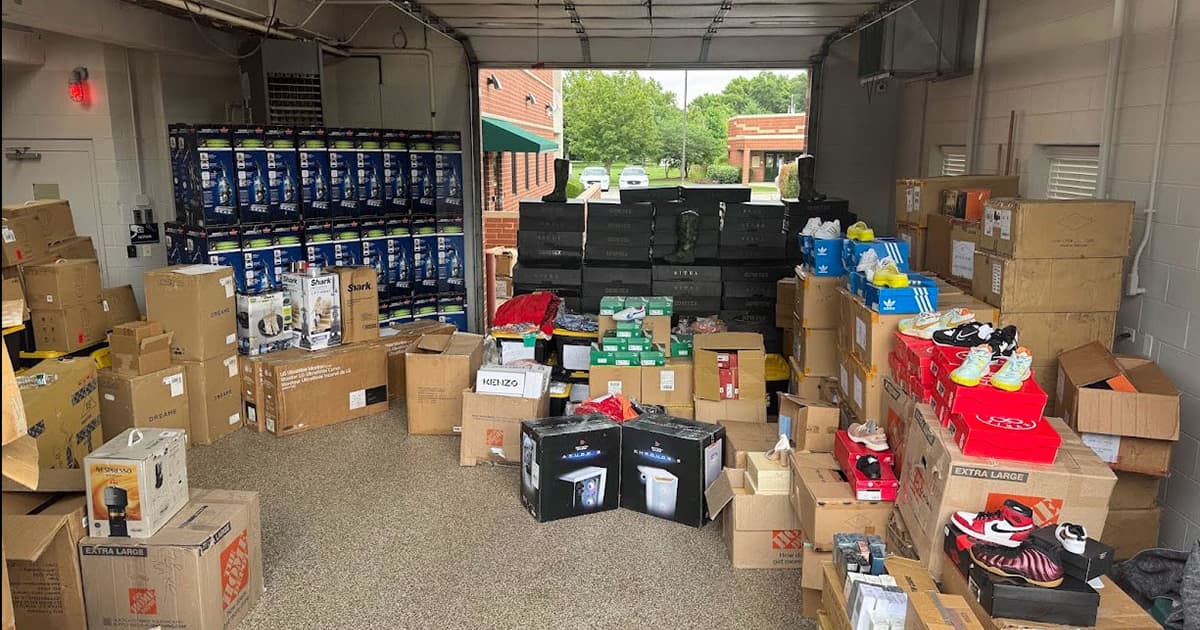
Police investigations are successfully targeting and dismantling organized cargo theft networks that have been leveraging both online marketplaces and traditional retail outlets to resell stolen merchandise. These criminal enterprises are becoming more sophisticated, indicating a significant shift in how stolen goods are distributed.
This trend underscores the increasing challenge of cargo security across the supply chain, as thieves adapt to new technologies and sales channels. The rise of e-commerce has inadvertently provided new avenues for fencing operations, making it easier to offload stolen items quickly and anonymously.
For freight forwarders and logistics professionals, this development means an elevated risk of cargo theft, particularly for high-value goods. It necessitates a re-evaluation of security protocols, including enhanced tracking, improved warehouse security, and stricter vetting of transportation partners. The potential for cargo loss directly impacts insurance premiums, delivery schedules, and customer trust. Ops managers should consider investing in real-time visibility solutions and robust anti-theft measures to mitigate these risks.
Authorities are expected to continue their focus on these types of criminal organizations, potentially leading to more arrests and the recovery of stolen freight.