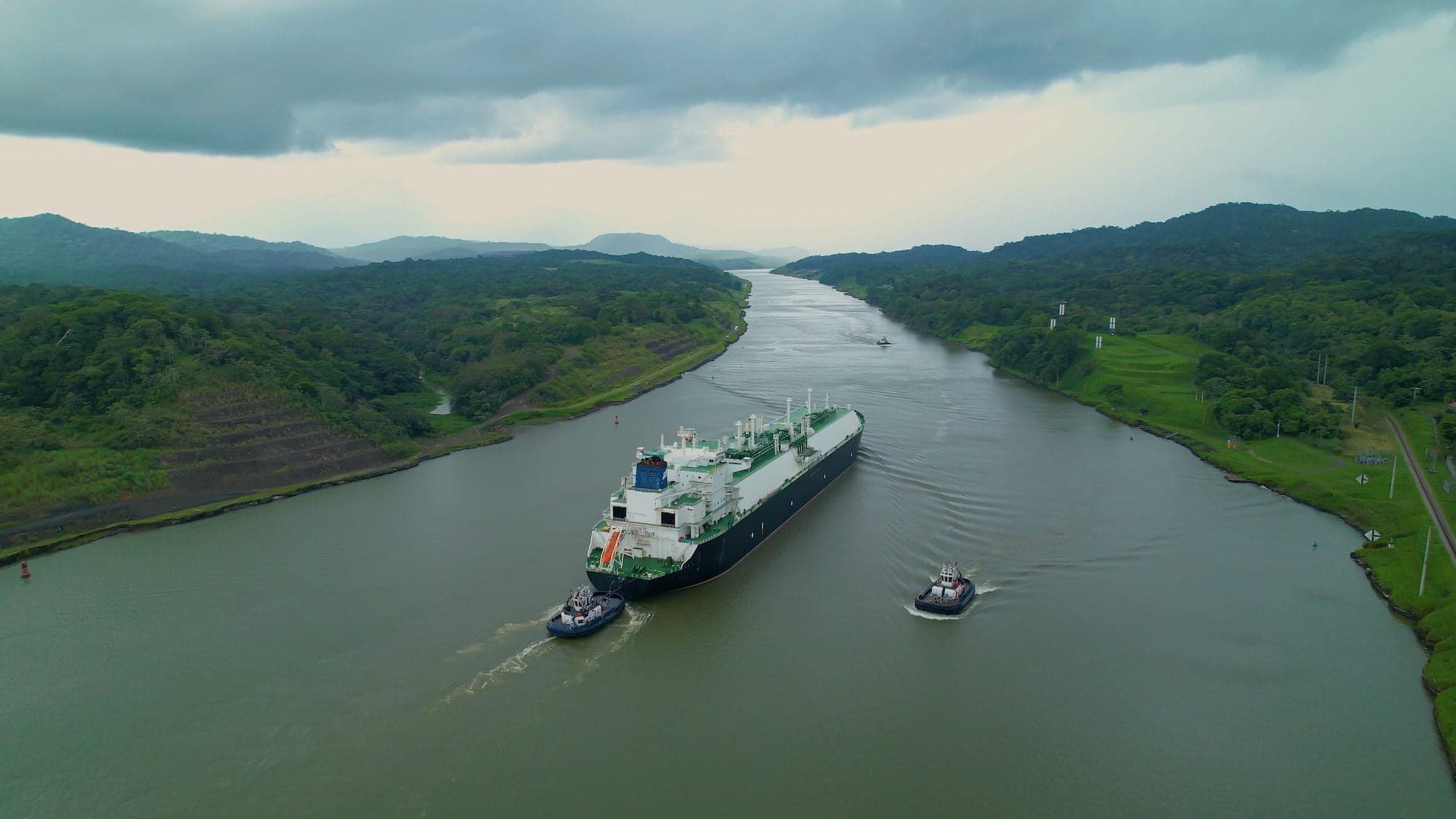
The Panama Canal Authority (ACP) has indicated that it does not plan to impose any vessel passage restrictions through the end of 2026. This decision comes despite weather predictions suggesting the possible onset of an El Niño phenomenon in the latter half of the year, which could lead to drought conditions in Central America.
This proactive approach by the ACP is a direct response to the significant challenges faced in 2023, when a severe drought, exacerbated by El Niño, forced the canal to implement drastic draft and transit limitations. Those restrictions led to extensive vessel queues, delays, and increased costs for shippers and carriers.
For freight forwarders and operations managers, this announcement provides a degree of certainty regarding transit through one of the world's most critical waterways. The absence of planned restrictions suggests that capacity and transit times should remain stable, reducing the risk of surcharges or rerouting needs that characterized the 2023 crisis. This stability is crucial for supply chain planning, particularly for cargo moving between the Atlantic and Pacific oceans. Forwarders can plan shipments with greater confidence, knowing that a major chokepoint is not expected to face weather-induced bottlenecks.
While the canal aims to avoid restrictions, ongoing monitoring of water levels and weather patterns will be essential. The ACP's current position suggests that measures are in place to manage potential drought impacts without resorting to transit limitations, which is a positive development for global trade.