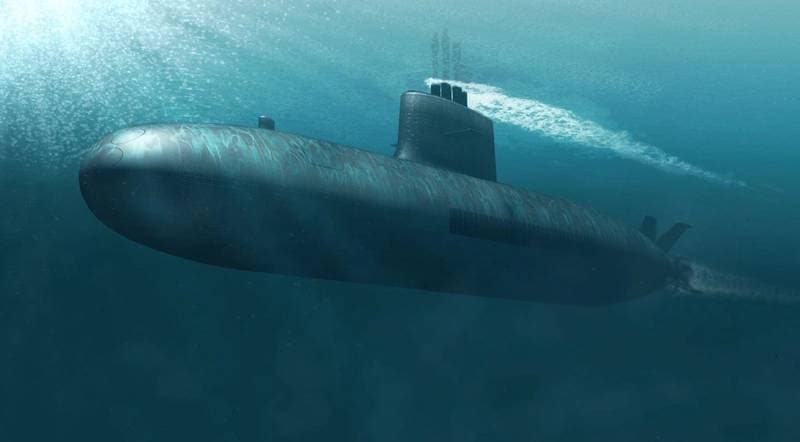
Ongoing geopolitical instability and the strategic vulnerability of key maritime choke points are leading to a re-evaluation of nuclear propulsion for containerships. This shift suggests that a significant portion of vessels traveling between Asia and Europe may increasingly opt for longer routes, bypassing traditional passages. Nuclear power offers a compelling alternative, providing vessels with extended range and independence from conventional bunkering infrastructure, which could enhance operational flexibility and resilience against regional disruptions.
For freight forwarders and operations managers, the adoption of nuclear-powered vessels could introduce a new dimension to route planning and cost structures. While initial investment and regulatory hurdles would be substantial, the long-term benefits might include greater schedule reliability, reduced exposure to fluctuating bunker prices, and potentially faster transit times due to fewer refueling stops. However, the environmental and safety considerations associated with nuclear technology would require stringent oversight and specialized port infrastructure, impacting port calls and operational procedures.