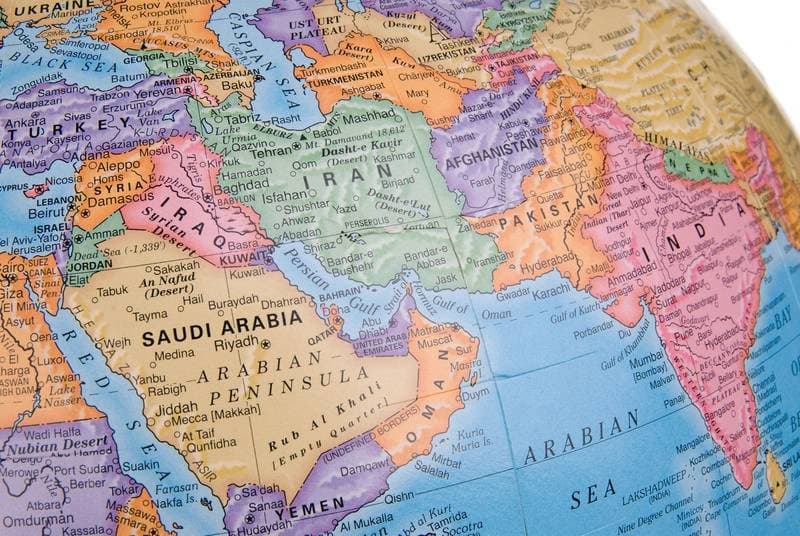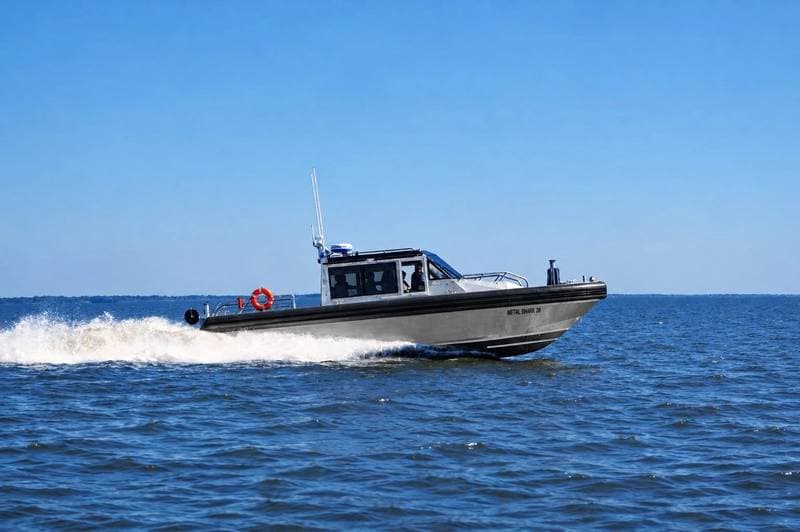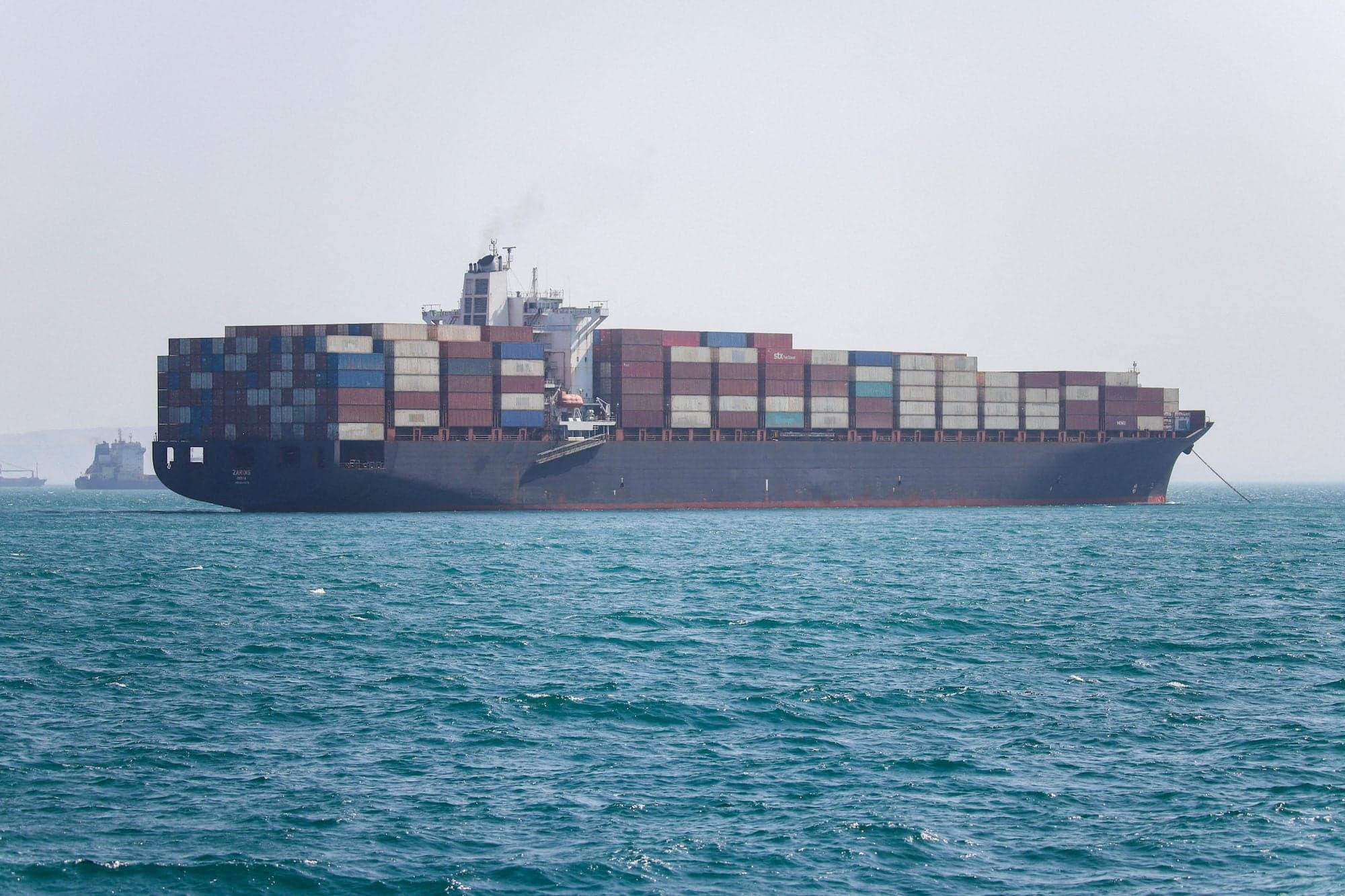
The international shipping sector has released comprehensive new recommendations for ships traversing the Strait of Hormuz. This guidance emphasizes that while the strait remains accessible, the operational environment within this vital maritime passage is increasingly complex and potentially hazardous.
This updated advice comes as geopolitical tensions in the region continue to escalate, leading to concerns about the safety and security of commercial shipping. The Strait of Hormuz is a crucial chokepoint for global oil and gas shipments, as well as a significant route for container and general cargo vessels.
For freight forwarders and operations managers, this means heightened vigilance is required for any shipments routed through the Strait of Hormuz. Carriers may implement additional security measures, potentially leading to increased insurance premiums, longer transit times due to slower speeds or re-routing, and higher operational costs. Forwarders should proactively communicate with their clients about potential disruptions and consider alternative shipping routes or modes if feasible, although options for this specific chokepoint are limited. Real-time monitoring of vessel movements and adherence to carrier advisories will be critical.
Further updates and potential changes to shipping routes or security protocols are anticipated if the regional situation continues to evolve.