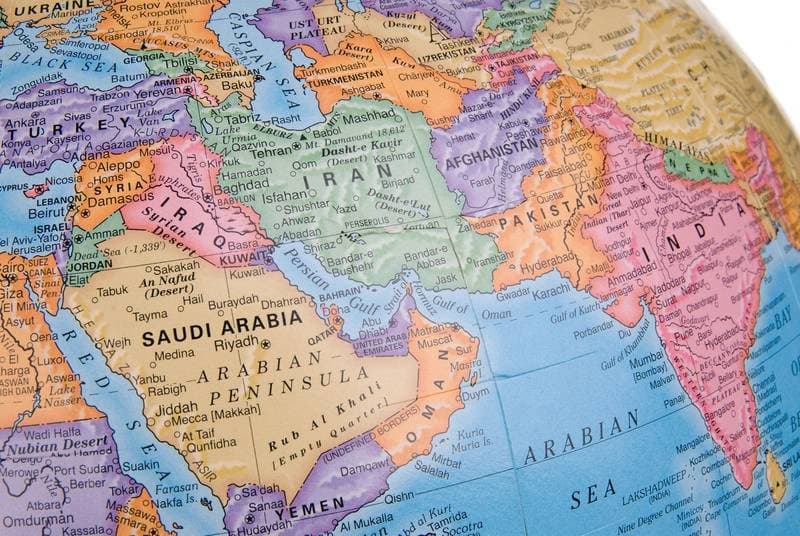
The ongoing shipping crisis in the Strait of Hormuz is driving a rapid re-evaluation and redrawing of established trade routes across the Middle East. Governments and private sector entities in the region and globally are intensifying efforts to establish alternative corridors. This acceleration comes as the International Energy Agency (IEA) has issued a warning that the current disruption's scale has already surpassed that of the oil shocks experienced in the 1970s.
This strategic shift is a direct response to the prolonged instability and risks associated with transit through the Strait of Hormuz, a critical chokepoint for global energy and cargo flows. The continuous threats and incidents in the region have necessitated a proactive approach to secure supply chains and ensure the continuity of trade.
For freight forwarders and shippers, this development signifies potential changes in routing options and transit times for cargo moving to, from, and through the Middle East. While immediate impacts might include increased complexity in route planning and potentially higher costs associated with longer or less direct paths, the long-term outcome could be a more diversified and resilient regional logistics network. Forwarders should monitor these emerging corridors closely for new service offerings and infrastructure developments that could influence future shipment strategies.
The article highlights that the latest initiative in this strategic realignment occurred recently, indicating a sustained and urgent effort to implement these new trade pathways.