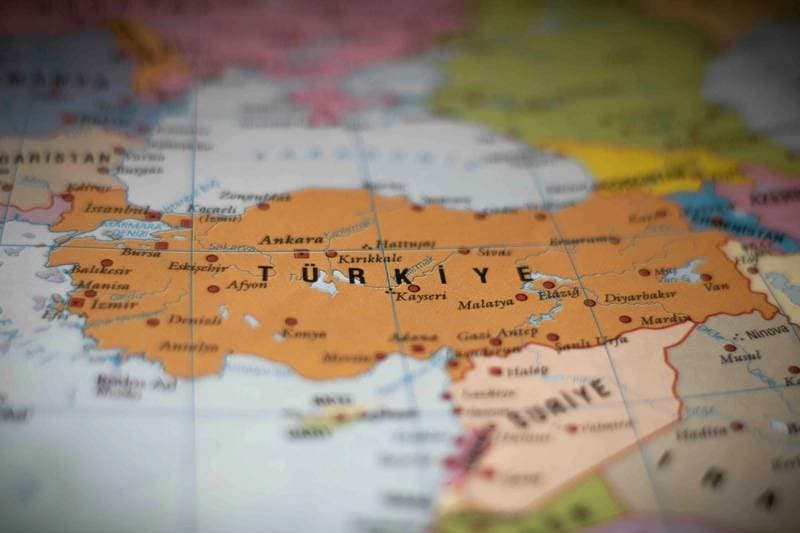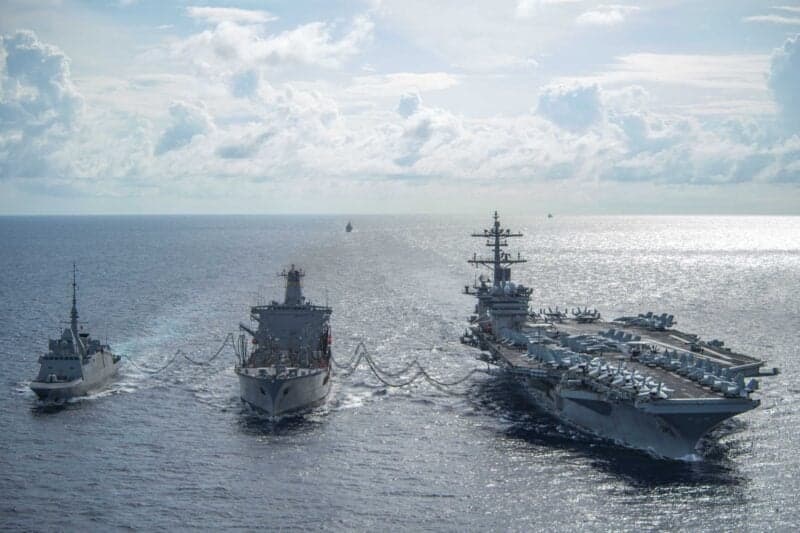
The latest edition of the News in Brief podcast features an in-depth discussion on the evolving situation in the Middle East and its implications for the international freight and logistics sector. Xeneta senior market analyst Destine Ozuygur provided insights into how the ongoing conflict could affect global supply chains, with a specific focus on the critical Strait of Hormuz.
The Strait of Hormuz is a vital chokepoint for global oil and gas shipments, and a significant route for containerized cargo moving to and from the Persian Gulf. Any disruption in this area can have widespread effects on shipping schedules, insurance premiums, and overall transit costs.
For freight forwarders and shippers, increased tensions in the Middle East, particularly around the Strait of Hormuz, could lead to several challenges. These include potential rerouting of vessels, which would increase transit times and fuel costs. Furthermore, war risk surcharges might be imposed by carriers, directly impacting freight rates. Capacity could also be affected if carriers decide to avoid the region or reduce service frequency. Forwarders should monitor the situation closely and consider alternative routing strategies or buffer times for shipments transiting this area.
The discussion highlighted the need for supply chain professionals to remain agile and prepared for potential shifts in maritime trade lanes due to geopolitical instability.