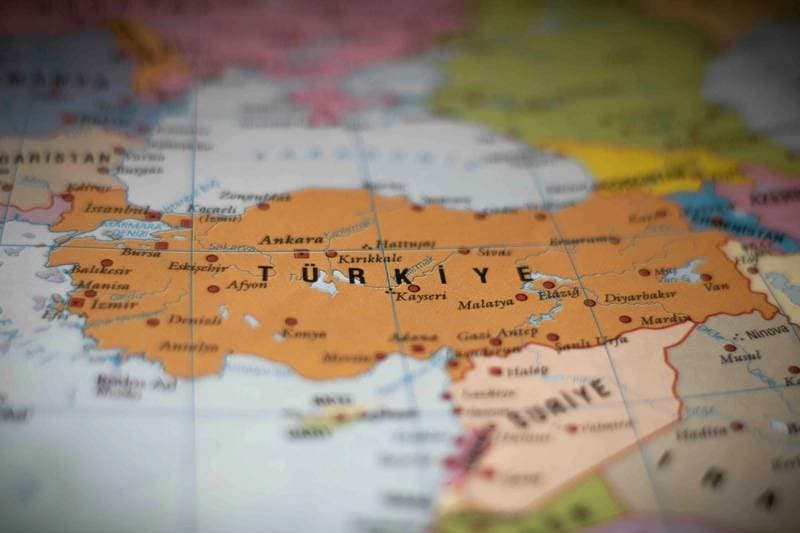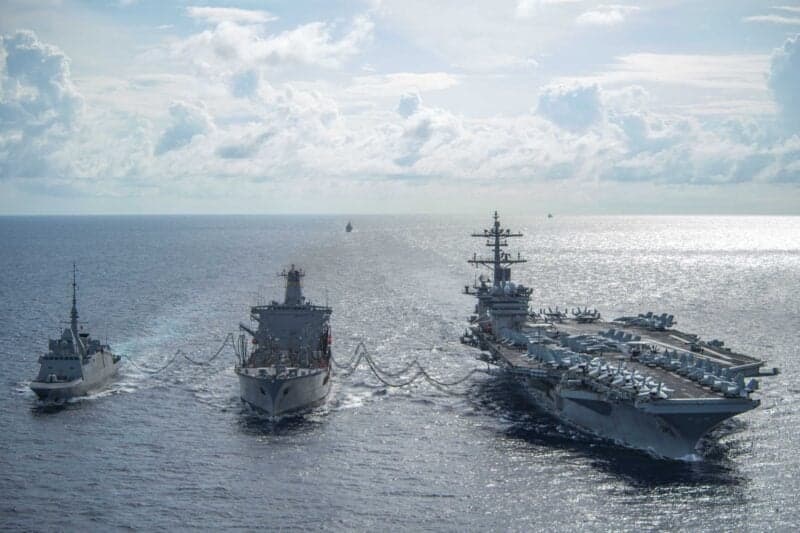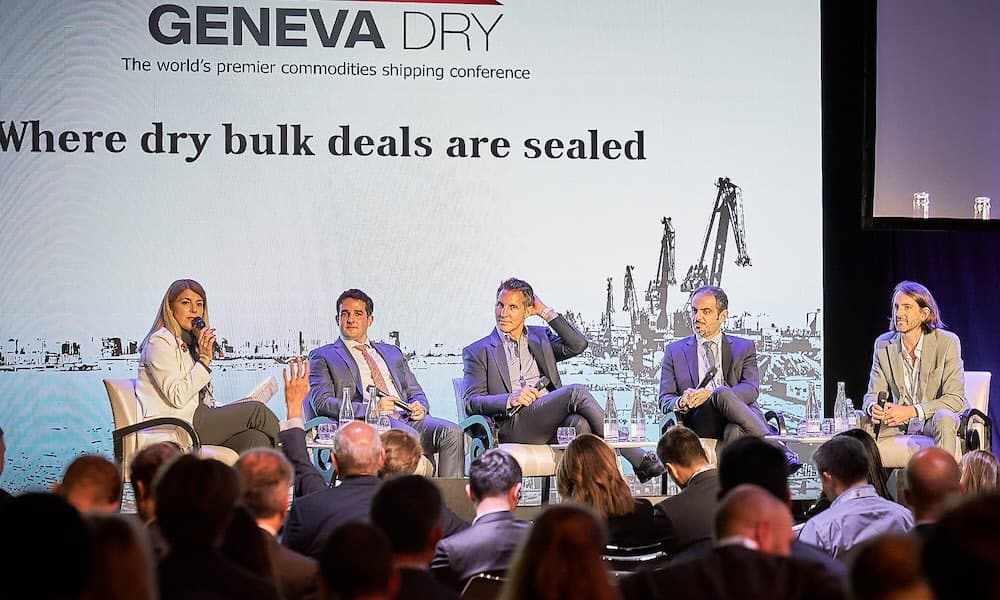
Ongoing conflicts in the Middle East, coupled with the potential for a Strait of Hormuz closure, are fundamentally reshaping global trade patterns for agricultural commodities and fertilizers. Discussions at a recent industry event, Geneva Dry, highlighted that while overall trade volumes are not declining, the geographical distribution and routing of these goods are undergoing significant changes.
This geopolitical instability is compelling shippers and carriers to seek alternative, often longer, routes to ensure the continuous flow of essential food and fertilizer supplies. The Red Sea crisis, for instance, has already demonstrated how quickly major shipping lanes can become unviable, forcing diversions around the Cape of Good Hope.
For freight forwarders and logistics professionals, this means increased complexity in route planning, potentially longer transit times, and higher operational costs due to extended voyages and increased insurance premiums. Forwarders must adapt by identifying and securing capacity on new or less conventional routes, while also managing client expectations regarding delivery schedules and freight rates. The need for flexible and resilient supply chain strategies is paramount to mitigate risks associated with these evolving trade dynamics.