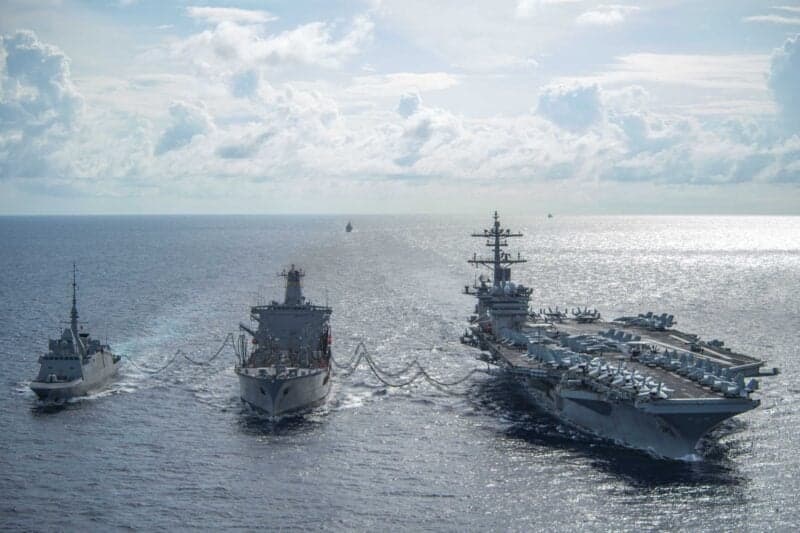
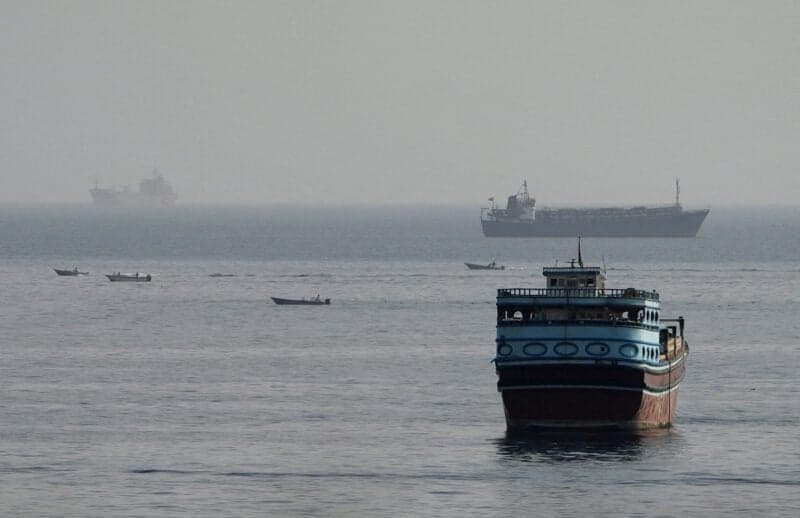
The conflict in the Middle East has led to substantial disruptions across global supply chains, particularly affecting maritime and air transportation. Key infrastructure has been damaged, and vital transport corridors, essential for the movement of energy and goods worldwide, have been interrupted.
This situation has created a complex and challenging environment for international logistics. The established patterns of global trade are being tested, with rerouting, delays, and increased operational costs becoming prevalent. The expectation is that a swift return to pre-conflict conditions is unlikely, suggesting a prolonged period of adjustment for the industry.
For freight forwarders and shippers, this means continued volatility in shipping schedules and rates. Capacity on certain routes, especially those transiting affected regions, may be constrained, leading to longer transit times and potential surcharges. Operational teams will need to remain agile, constantly seeking alternative routes and modes of transport to mitigate disruptions and maintain delivery timelines. The need for robust contingency planning and clear communication with clients regarding potential delays and cost implications is paramount.