The Middle East's burgeoning art scene is increasingly dependent on sophisticated air cargo and logistics networks for the secure transportation of high-value artworks. Regional art hubs have developed robust infrastructure to handle thousands of priceless pieces, ensuring their safe passage for exhibitions and permanent collections.
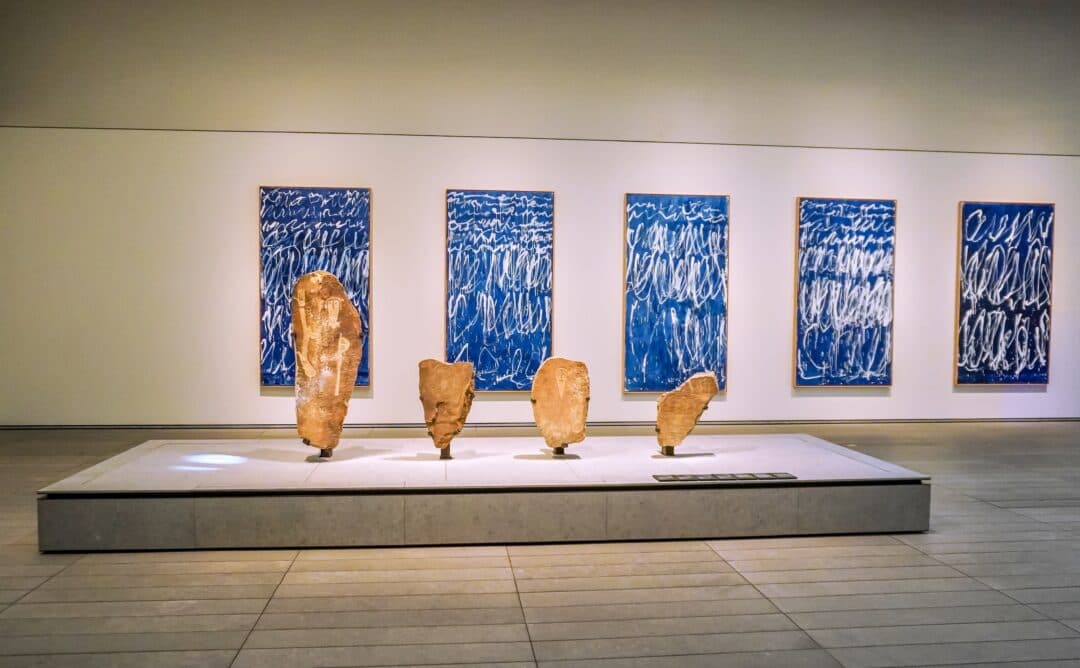
This growth has been significantly bolstered by the establishment of major cultural institutions, such as the Louvre Abu Dhabi in 2017, which brought a world-renowned museum presence to the region. Such developments necessitate specialized logistics capabilities to manage the unique requirements of fine art, including climate control, security, and expert handling.
For freight forwarders and logistics professionals, this signifies a niche but growing market segment requiring specialized expertise. Handling fine art cargo involves stringent security protocols, precise environmental controls, and often bespoke packaging solutions. Forwarders operating in the Middle East should be aware of the specific regulations and infrastructure available in key art hubs to cater to this high-value, high-risk cargo. The demand for such services is likely to continue expanding as the region further establishes itself as a global cultural destination.
Looking ahead, continued investment in cultural institutions and events across the Middle East is expected to drive further demand for specialized fine art logistics, potentially leading to more dedicated services and infrastructure.