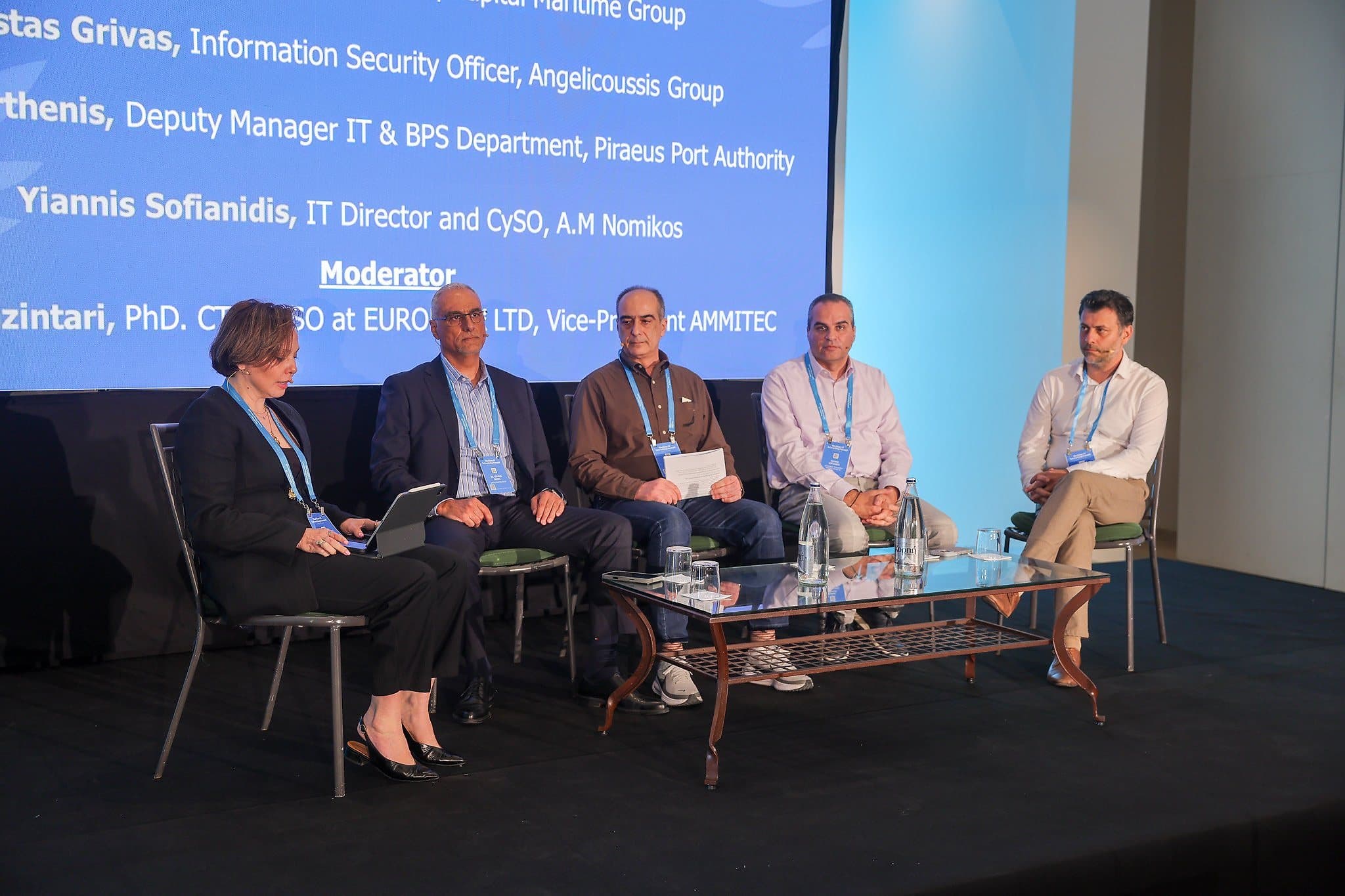
At the recent Maritime IT Networking Summit, industry leaders convened to address the significant challenge of incorporating advanced artificial intelligence (AI) into the maritime sector's deeply entrenched legacy systems. A key panel, "Scaling Intelligence in Maritime: AI, Legacy & the Enterprise Reality," moderated by Dr. Anna Vazintari of EUROBULK LTD, highlighted the complexities involved in modernizing an industry with centuries-old operational practices.
The discussion centered on the inherent difficulties of bridging the gap between cutting-edge AI technologies and the often outdated or disparate IT infrastructure prevalent across shipping companies, ports, and logistics providers. Participants explored practical strategies for deploying AI solutions that can enhance efficiency, optimize routes, predict maintenance needs, and improve overall operational intelligence, without completely overhauling critical, yet aging, systems.
For freight forwarders and operations managers, this ongoing industry dialogue is crucial. The successful integration of AI could lead to more predictable shipping schedules, optimized container utilization, and improved real-time tracking capabilities. However, the slow pace of adoption due to legacy system constraints means that immediate, widespread impacts on rates or capacity are unlikely. Forwarders should monitor developments for potential long-term benefits in supply chain visibility and efficiency, as carriers and ports gradually adopt these technologies.
The summit emphasized the need for a phased approach to AI implementation, focusing on interoperability and data standardization to ensure that new technologies can communicate effectively with existing platforms. Future efforts will likely concentrate on developing scalable AI frameworks that can adapt to the maritime industry's unique operational environment.