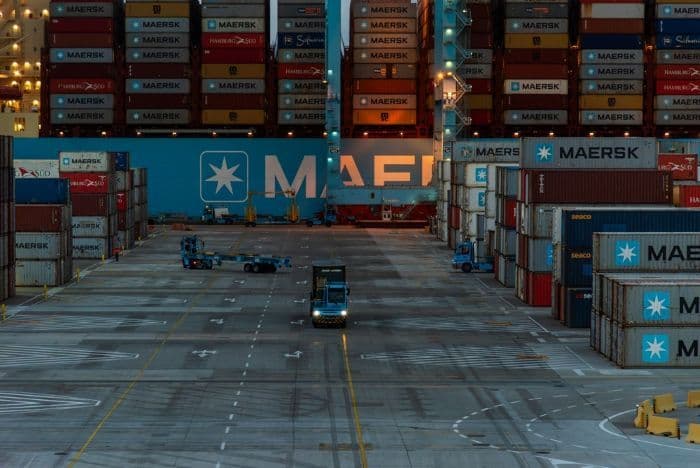
Maersk has confirmed that it is transferring its entire $500 million monthly fuel bill directly to its customers. This financial strategy is currently in effect, ensuring the carrier recovers its significant operational costs related to bunker fuel.
According to Maersk CEO Vincent Clerc, the long-term viability of this full cost recovery approach will depend on two critical factors. Firstly, the ongoing impact of elevated energy prices on global consumer demand will play a significant role. A sustained downturn in consumer spending could reduce cargo volumes, making it harder for carriers to maintain current pricing structures. Secondly, the industry's management of its rapidly expanding order book for new vessels is a key consideration. A surge in new capacity without a corresponding increase in demand could lead to oversupply, intensifying competition and potentially eroding carriers' ability to pass on costs.
For freight forwarders and shippers, this means that current freight rates already reflect Maersk's substantial fuel costs. Forwarders should anticipate that these surcharges will remain in place as long as fuel prices stay high and market conditions allow carriers to maintain pricing discipline. Any future softening of rates due to decreased demand or increased capacity might be partially offset by persistent fuel surcharges, impacting overall logistics budgets and planning. Shippers should factor these ongoing costs into their budgeting and consider potential hedging strategies if fuel price volatility is a major concern.