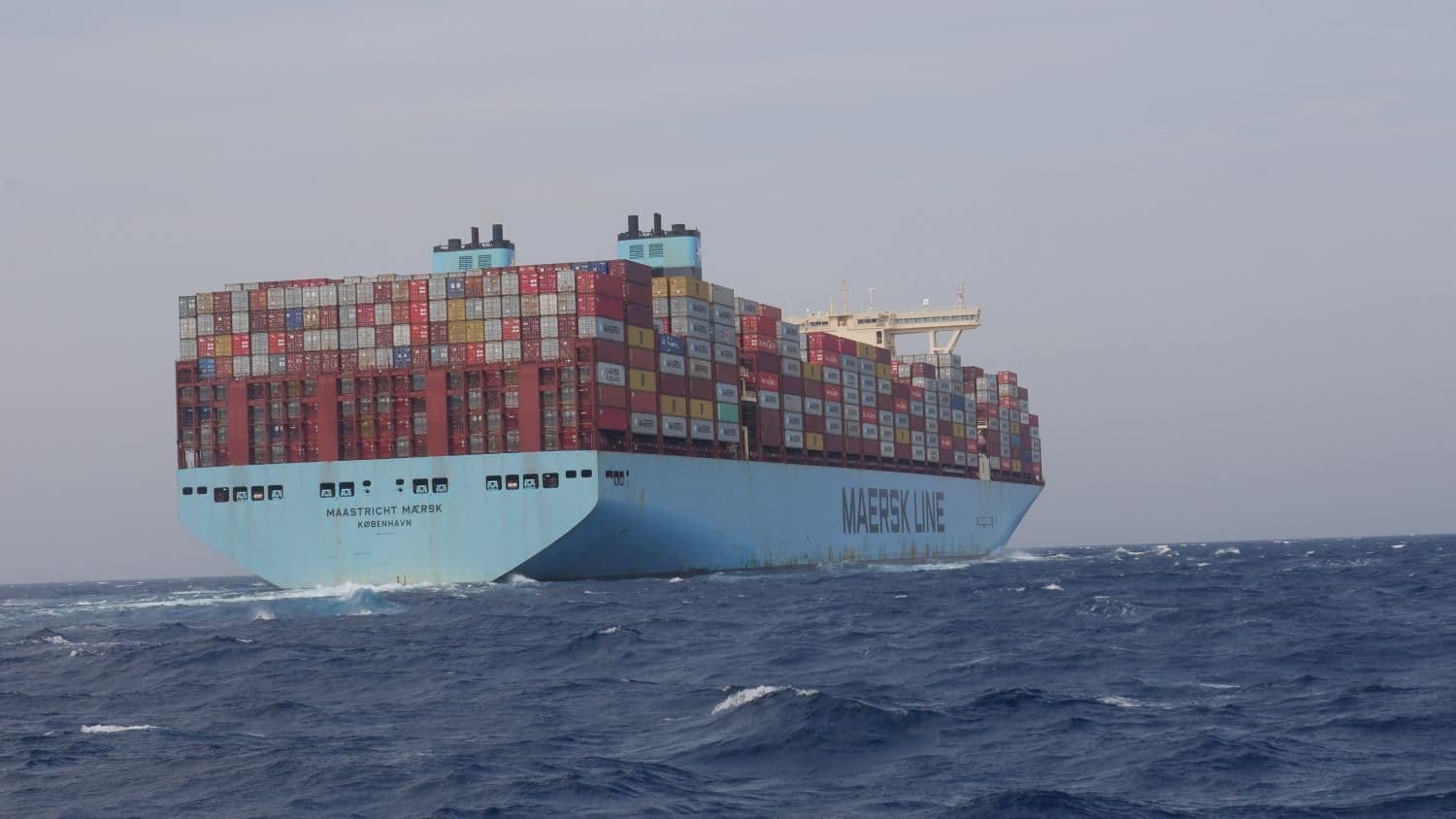
Maersk, a prominent global container shipping line, is currently assessing the feasibility of resuming its services through the Red Sea. CEO Vincent Clerc indicated that while the carrier is reviewing the situation with the intention of eventually restarting some operations in the area, any decision would be made with extreme caution. The primary concern remains the safety and security of seafarers, which Maersk considers its utmost priority.
This re-evaluation by Maersk occurs against a backdrop of evolving geopolitical dynamics, specifically referencing potential developments related to a US-Iran agreement. Such an agreement could significantly influence the stability of the Red Sea region and, consequently, the viability of shipping through the Suez Canal.
For freight forwarders and operations managers, a potential return of Maersk to the Red Sea could signal a gradual normalization of East-West shipping routes. This might lead to reduced transit times for cargo moving between Asia and Europe, as vessels would no longer need to divert around the Cape of Good Hope. Consequently, this could alleviate some pressure on vessel capacity and potentially lead to a decrease in freight rates on these key trade lanes. However, the cautious stance from Maersk suggests that any changes would be implemented gradually, and forwarders should continue to monitor the situation closely for concrete service announcements.
While the article does not specify a timeline, Maersk's ongoing assessment implies that any resumption of services would be contingent on sustained improvements in regional security. Forwarders should anticipate that carriers will continue to prioritize safety, meaning a full return to pre-disruption routing may still take time.