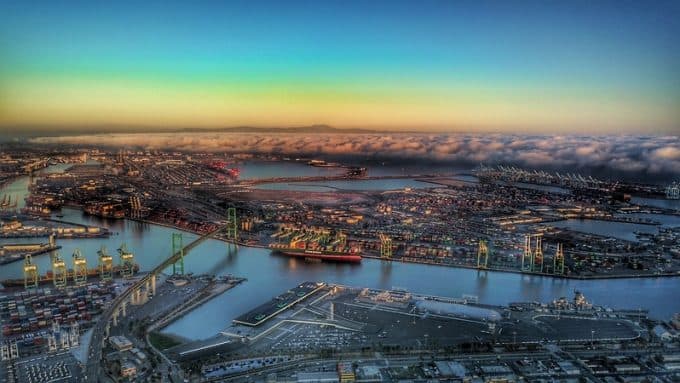
The Port of Los Angeles reported a robust performance in April 2026, handling 891,000 container units. This figure represents an 18% increase compared to the previous month and a 5.5% rise year-over-year, making it the busiest month for the port since August of the prior year. This growth at Los Angeles coincides with a reported downturn in container traffic at various US East Coast ports.
This shift in cargo volumes could be attributed to several factors, including ongoing labor negotiations at East Coast and Gulf Coast ports, which may be prompting shippers to divert cargo to the West Coast to mitigate potential disruptions. Additionally, changes in carrier service patterns or evolving supply chain strategies could contribute to this redistribution of freight.
For freight forwarders and operations managers, this trend indicates a potential rebalancing of port congestion and capacity. Increased volumes at Los Angeles could lead to longer dwell times or chassis availability issues on the West Coast, while East Coast ports might offer more fluidity. Forwarders should monitor these developments closely to optimize routing decisions, manage transit times, and advise shippers on potential impacts to their supply chains. The situation underscores the importance of flexible logistics planning to adapt to dynamic port performance across different regions.
Should the labor negotiations on the East and Gulf Coasts escalate or result in significant disruptions, the trend of cargo diversion to the West Coast could intensify, further impacting port operations and inland logistics networks.