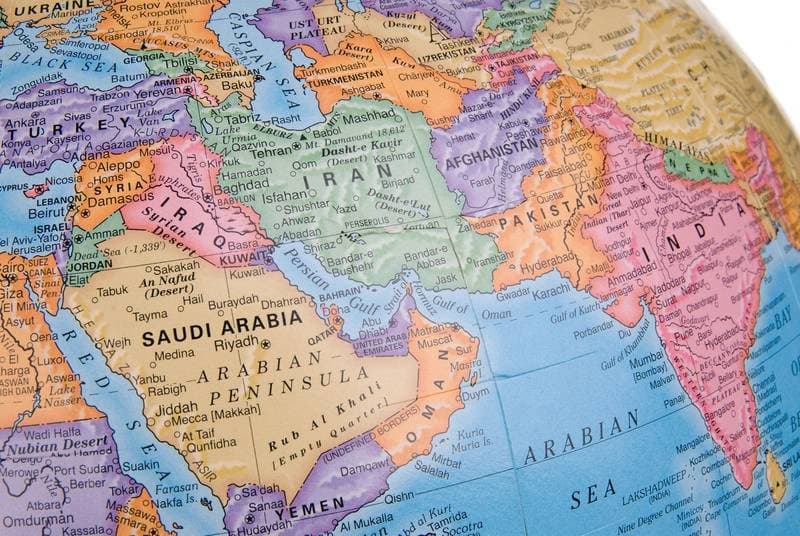
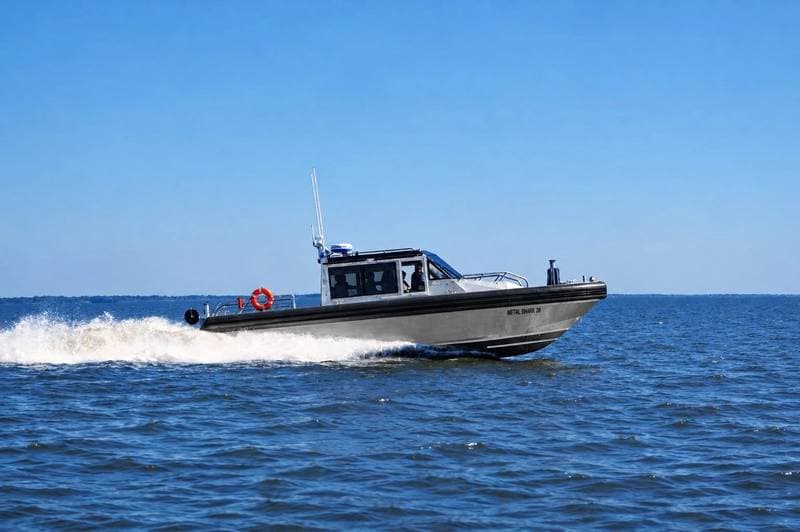
Korean shipbuilders are currently benefiting from a significant increase in demand for tankers, largely driven by disruptions in global shipping routes. Ongoing conflicts in the Middle East have impacted traffic through key chokepoints like the Strait of Hormuz, forcing many vessels to undertake longer detours. This rerouting has effectively reduced available tanker capacity, creating a shortage in the market.
This heightened demand is translating into a surge of new orders for shipbuilding companies in South Korea. Furthermore, some shipbuilders are capitalizing on the situation by reselling tanker contracts that were previously canceled. These resales are occurring at substantially higher prices than their original agreements, contributing significantly to the shipbuilders' revenue.
For freight forwarders and supply chain analysts, this trend indicates potential shifts in crude oil transportation costs and vessel availability. Increased demand for tankers and longer transit times could lead to higher freight rates for oil and refined products. Forwarders should anticipate potential delays and factor in elevated shipping expenses when planning crude oil logistics, especially for routes impacted by Middle East instability. The market dynamics suggest a sustained period of strong demand for new tanker builds and potentially tighter capacity in the spot market.