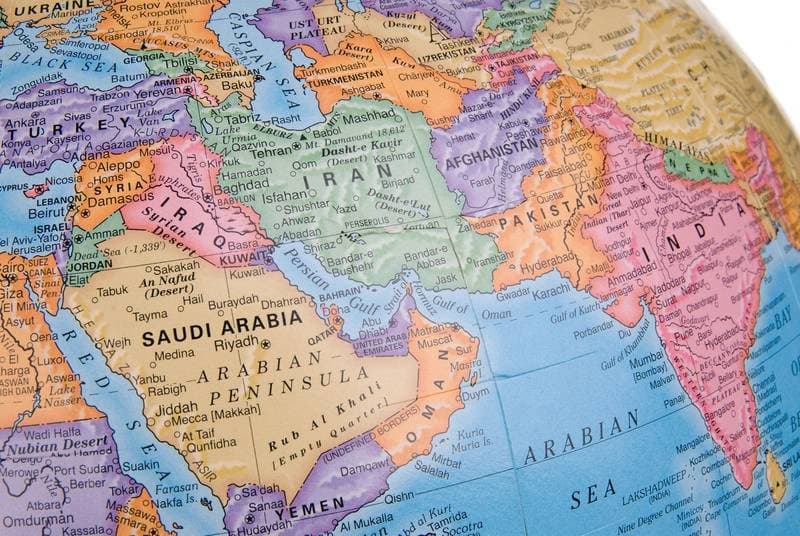
Iraq's crude oil exports through the Strait of Hormuz experienced a substantial decline in April, reaching only 10 million barrels. This figure represents a significant reduction from the typical monthly volume of approximately 93 million barrels observed before the onset of the Iran war. The new Iraqi oil minister, Basim Mohammed, confirmed these export statistics during a recent press conference.
This drastic decrease in oil shipments from a major producer like Iraq, particularly through a critical chokepoint such as the Strait of Hormuz, signals considerable instability in the region. The Strait is a vital passage for a substantial portion of the world's seaborne oil trade.
For freight forwarders and shippers involved in the energy sector or those whose supply chains are sensitive to oil prices, this development could lead to increased bunker fuel costs and potential disruptions in vessel scheduling. Reduced supply from Iraq via this route may prompt adjustments in global oil flows and pricing, indirectly affecting overall logistics operational expenses and potentially leading to higher freight rates across various modes of transport due to elevated fuel surcharges. Forwarders should monitor crude oil price movements closely.
No specific future actions or timelines were indicated in the announcement regarding a potential recovery or further changes to export volumes.