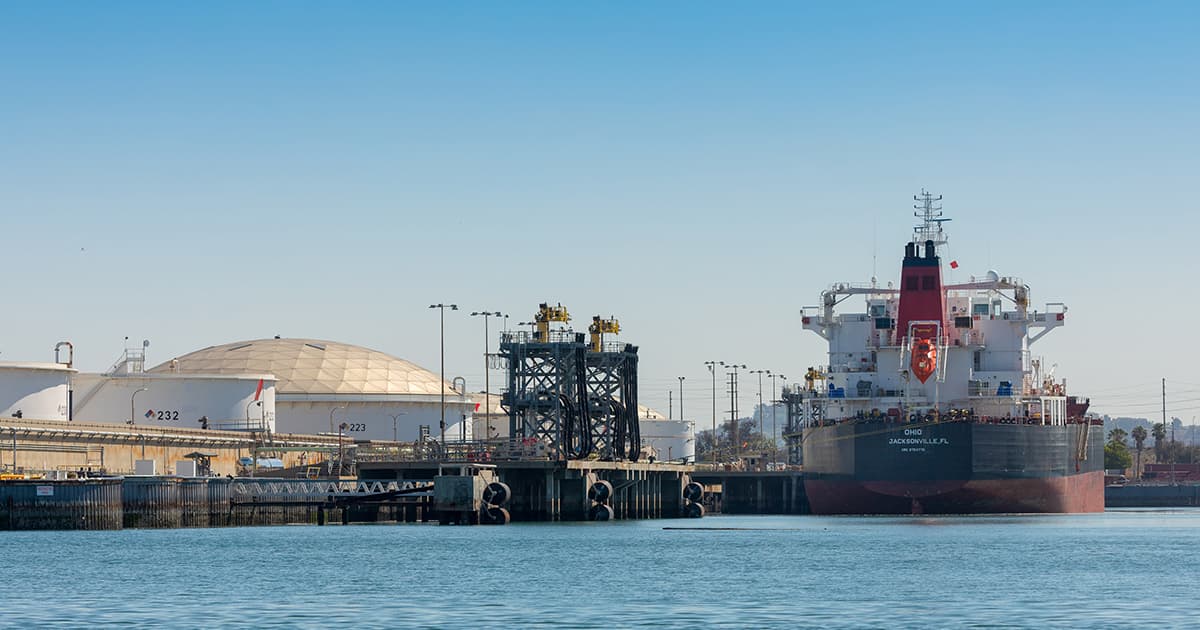
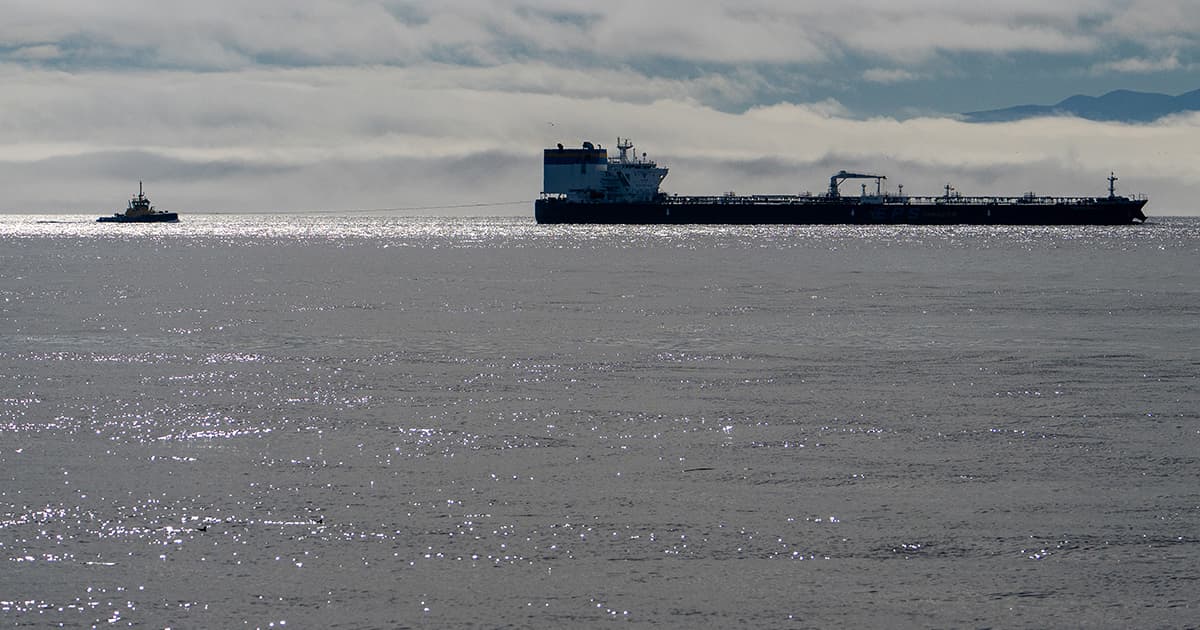
Global oil markets have entered a period of volatility this week, driven by concerns over a potential Iranian initiative to introduce a permanent transit fee for ships passing through the Strait of Hormuz. This measure is reportedly being considered as part of a broader peace agreement with the United States. The speculation has directly impacted crude oil prices, with international Brent crude experiencing a reversal of previous gains and West Texas Intermediate (WTI) also declining.
For freight forwarders and operations managers, any new fee or disruption in the Strait of Hormuz would significantly increase operational costs and transit times for shipments, particularly those involving energy commodities. The Strait is a critical chokepoint for global oil and gas trade, and any additional charges or perceived instability could lead to higher bunker prices and potentially rerouting considerations, impacting supply chain predictability and overall freight rates. Shippers would likely face increased surcharges, and forwarders would need to closely monitor geopolitical developments to advise clients on potential cost implications and transit risks.