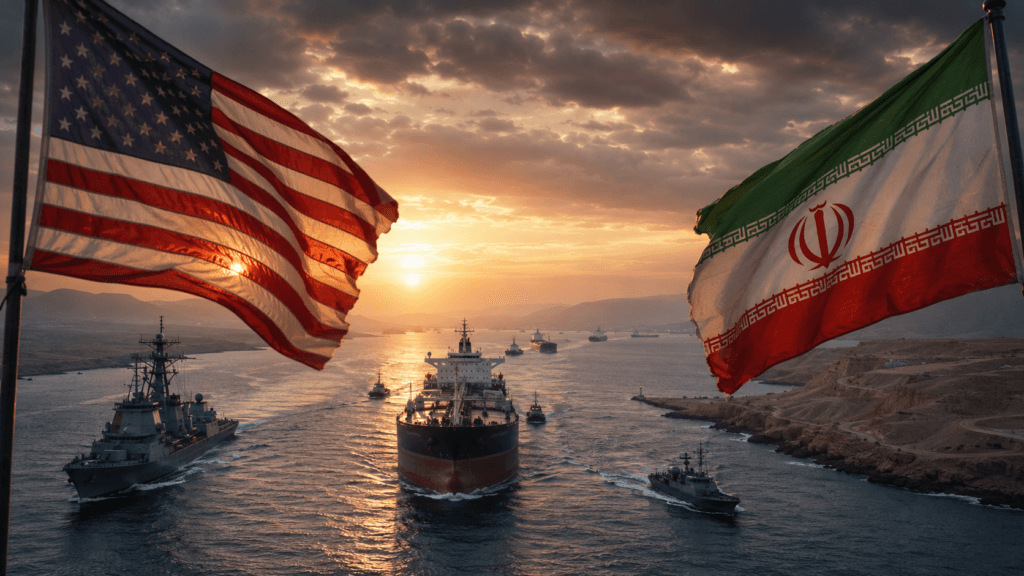
Iran has presented new conditions for any future accord with the United States, emphasizing the necessity of ending the naval blockade and removing sanctions. This position was conveyed by Iranian Deputy Foreign Minister Kazem Qaribabadi during a briefing to the Iranian Parliament's National Security and Foreign Policy Commission. According to committee spokesperson Ebrahim Rezaei, Tehran's insistence on these terms underscores its firm stance in ongoing or prospective negotiations.
For freight forwarders and shippers, the continuation of a naval blockade and sanctions against Iran significantly impacts shipping routes, insurance costs, and the feasibility of trade with Iranian ports. The potential lifting of these measures could open up new trade lanes, reduce operational complexities, and potentially lower shipping costs to and from the region. Conversely, the persistence of these restrictions means continued challenges in compliance, vessel access, and financial transactions for any cargo destined for or originating from Iran.
Should these demands be met, it could lead to a substantial shift in maritime logistics for the Persian Gulf region, potentially increasing vessel calls and cargo volumes at Iranian ports. However, the current situation implies ongoing limitations and heightened scrutiny for any freight operations involving Iran.