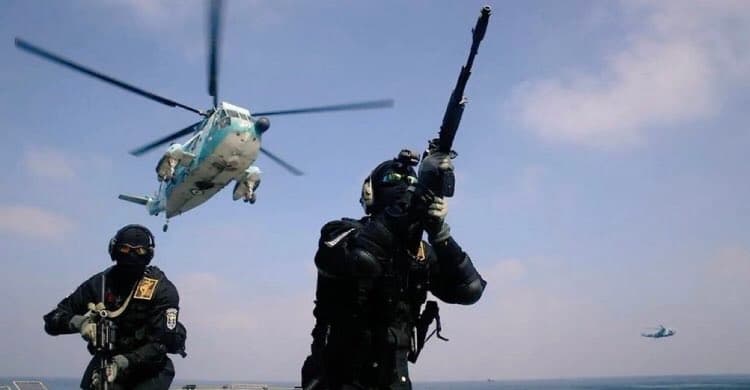
Geopolitical tensions in the Strait of Hormuz have intensified, with reports indicating that Iran has increased its operational control over the critical maritime chokepoint. This development suggests a potential escalation in regional instability, which could have direct implications for international shipping.
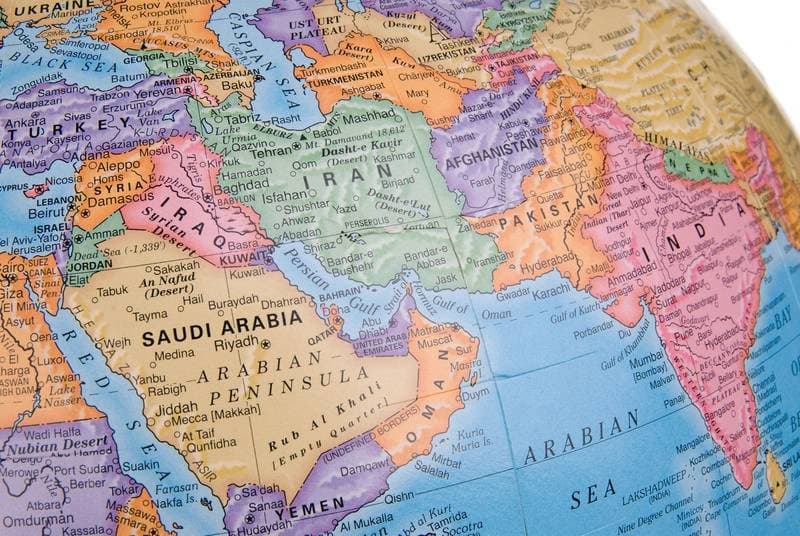
The Strait of Hormuz is a strategically vital waterway, connecting the Persian Gulf to the open ocean. A significant portion of the world's seaborne oil and liquefied natural gas (LNG) transits through this strait, making any disruption a global concern. The current situation follows broader international discussions, including high-level talks between global leaders concerning regional security.
For freight forwarders and shippers, increased Iranian control in the Strait of Hormuz could lead to several challenges. These may include heightened security risks for vessels, potentially resulting in increased insurance premiums (war risk surcharges) and longer transit times due to enhanced security protocols or rerouting considerations. Capacity might also be affected if carriers decide to limit services or adjust schedules in response to perceived threats. Operational managers should closely monitor advisories from maritime security organizations and carriers to assess potential impacts on their supply chains and adjust planning accordingly.