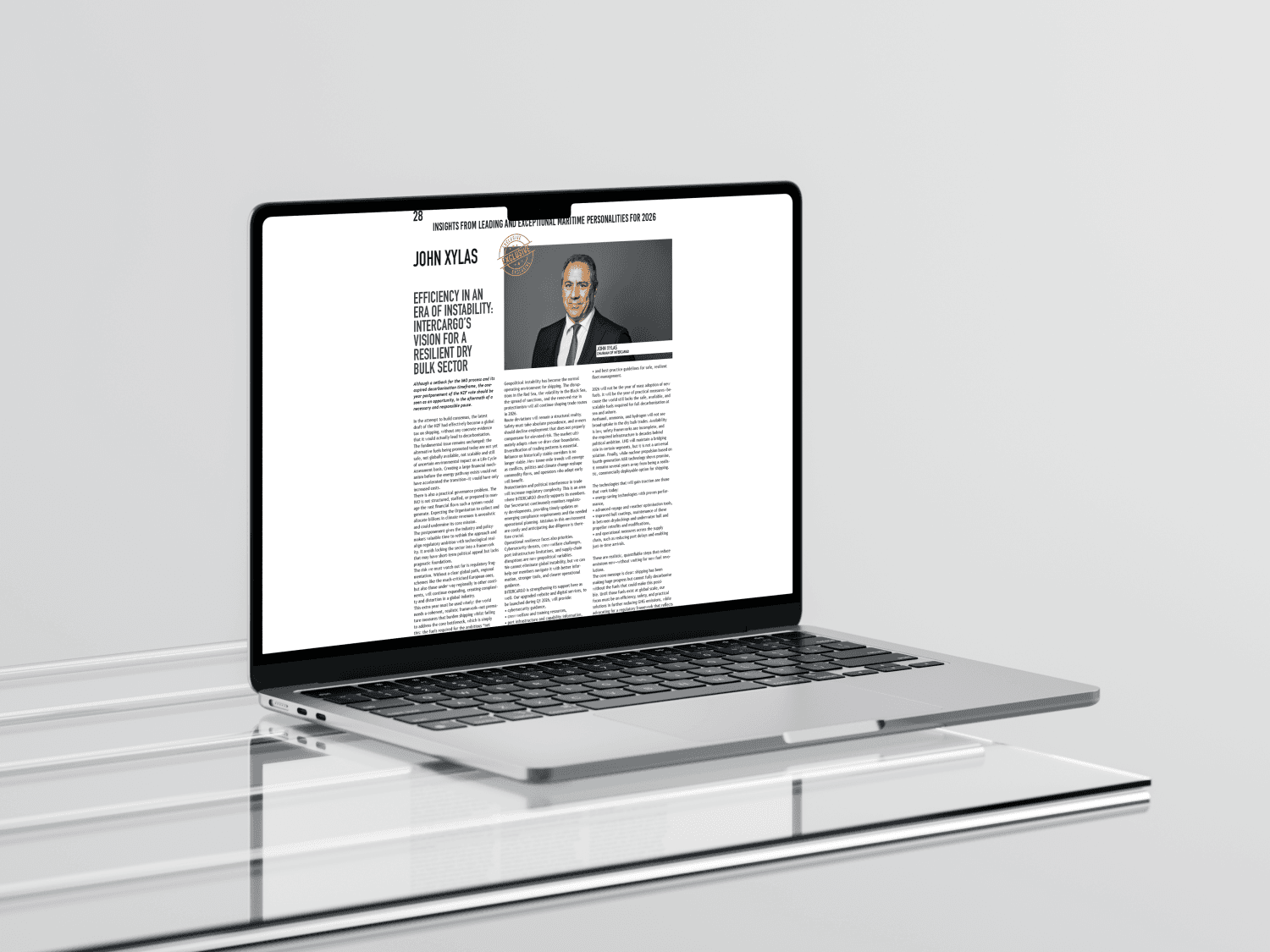
INTERCARGO, an association representing the global dry bulk shipping industry, has released its perspective on the challenges facing the sector in 2026. John Xylas, the Chair of INTERCARGO, contributed to NAFS 168, outlining the association's views on how to manage geopolitical instability and regulatory uncertainties. The core message emphasizes the importance of maintaining operational efficiency despite these external pressures.
This commentary provides context for freight forwarders and supply chain analysts by highlighting the ongoing concerns within the dry bulk segment. Geopolitical events can lead to rerouting, increased transit times, and higher insurance premiums, directly impacting freight costs and schedule reliability. Regulatory changes, particularly those related to environmental compliance, often necessitate fleet upgrades or operational adjustments, which can also influence capacity and pricing.
For freight forwarders, these insights suggest a continued need for agile planning and robust risk management strategies. Understanding the dry bulk sector's approach to efficiency in an unstable era can help in forecasting potential disruptions and advising shippers on market conditions. The focus on efficiency implies that carriers will likely seek to optimize routes and vessel utilization to mitigate rising costs, which could affect vessel availability and port calls.