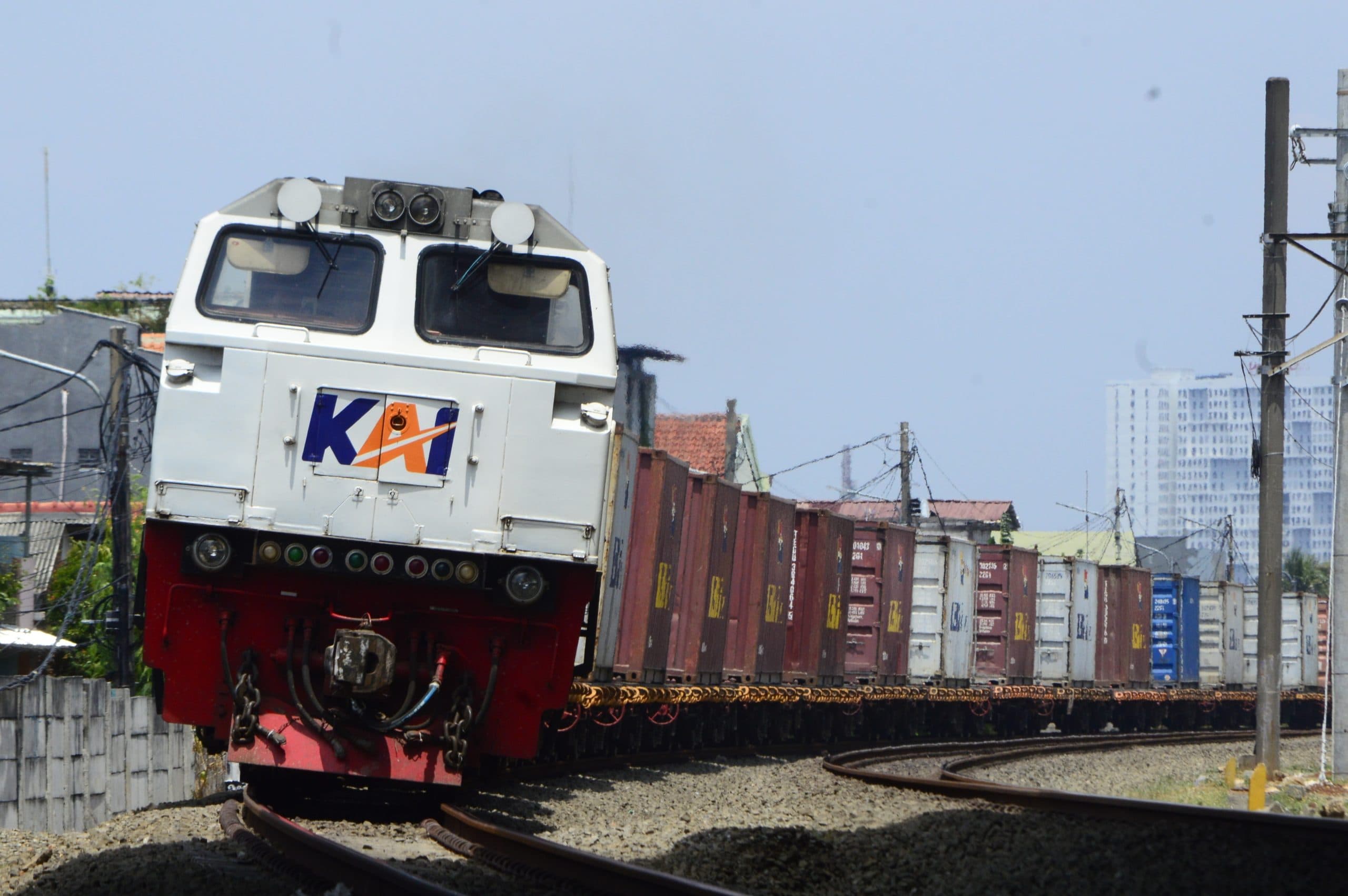
Indonesia has revealed extensive plans to significantly expand its national railway network. The primary objective of this ambitious infrastructure initiative is to enhance the country's export capabilities and foster overall economic development. The expansion aims to improve the efficiency of freight movement, connecting production centers to ports and other key logistical hubs.
This development is part of a broader strategy by the Indonesian government to leverage its vast geographical spread and natural resources. By investing in rail infrastructure, Indonesia seeks to reduce logistics costs, which have historically been a challenge due to the country's archipelagic nature. Improved rail connectivity is anticipated to make Indonesian exports more competitive on the global market.
For freight forwarders and shippers, this expansion could lead to more reliable and potentially more cost-effective inland transport options within Indonesia. It may facilitate easier access to ports for goods originating from various regions, potentially reducing transit times and improving supply chain predictability for cargo moving to and from Indonesia. New rail lines could open up previously underserved industrial areas, creating new opportunities for cargo consolidation and distribution.
While the source article does not specify a timeline for completion or detailed funding mechanisms, the announcement signals a long-term commitment to enhancing Indonesia's logistics backbone. Further details on specific routes and implementation phases are expected to emerge as the project progresses.