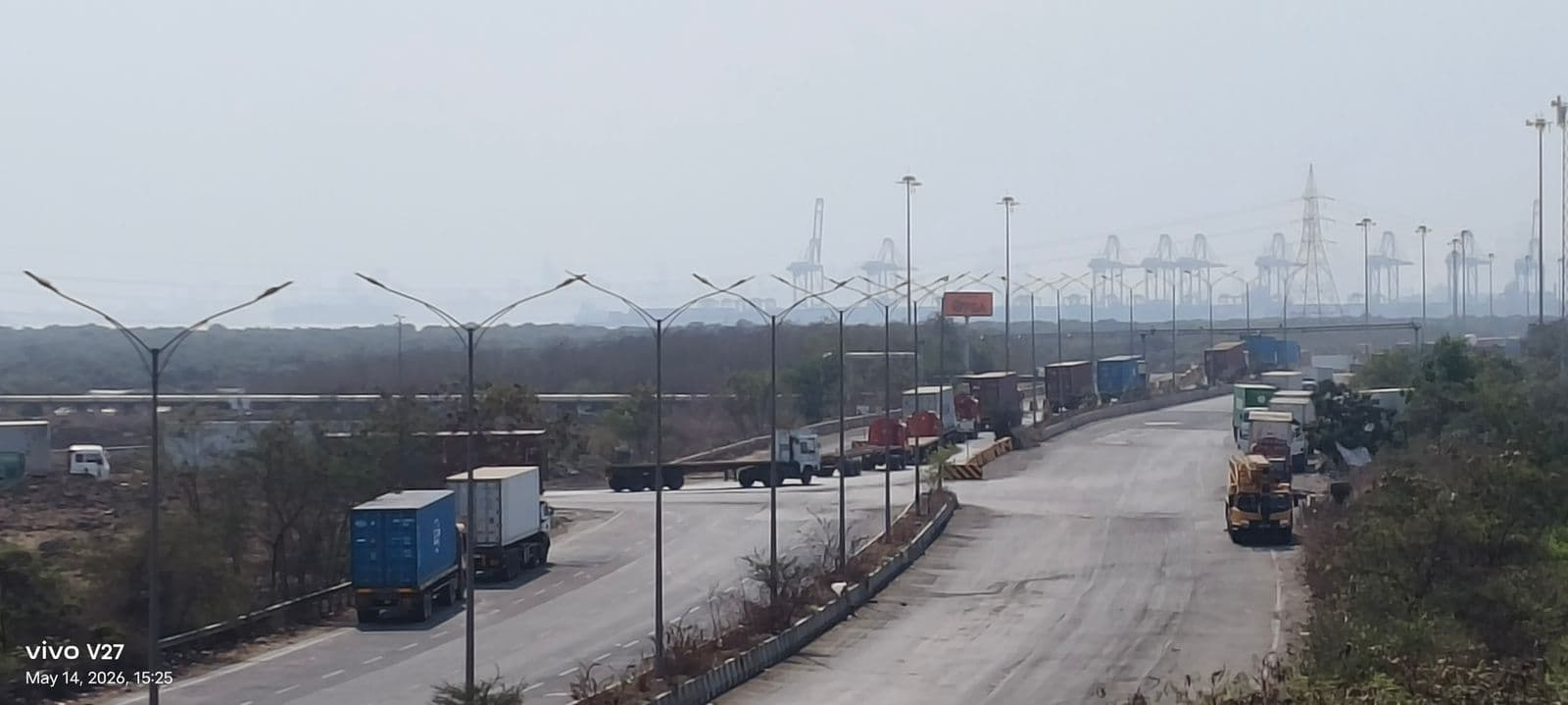
Container vessels calling at India's Nhava Sheva (JNPT) and Mundra ports are facing considerable berthing delays. Reports from carrier sources indicate that regular services are experiencing an average wait of two days, while ad-hoc vessel calls can be delayed by as much as five days. This operational slowdown is largely a consequence of inadequate drayage capacity, which is hindering the swift movement of containers within and out of the port terminals.
The persistent issue of insufficient drayage capacity at these key Indian ports is leading to prolonged container dwell times. When containers remain at the port for extended periods, it reduces available yard space and creates bottlenecks, directly impacting the efficiency of vessel operations and berth availability.
For freight forwarders and shippers, these delays translate into increased transit times and potential supply chain disruptions. Forwarders should anticipate longer lead times for shipments moving through Nhava Sheva and Mundra, and consider factoring in additional buffer time. The situation may also lead to higher demurrage and detention charges if containers are not cleared promptly. Operational managers should communicate proactively with carriers and clients regarding potential delays and explore alternative routing or inland logistics solutions if feasible, although options may be limited given the scale of these ports. The reduced vessel fluidity could also impact schedule reliability for services calling these ports, potentially leading to blank sailings or port omissions in the future if the situation deteriorates.