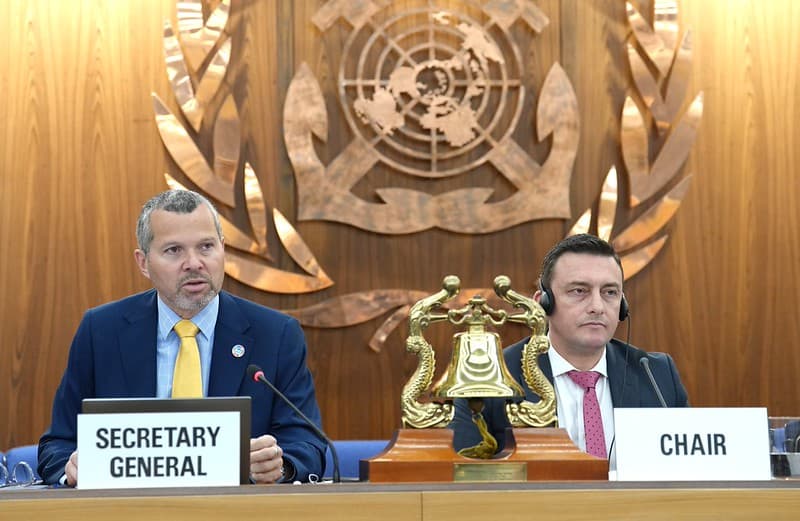
The International Maritime Organization (IMO) has officially adopted the inaugural International Code of Safety for Maritime Autonomous Surface Ships (MASS Code). This landmark decision establishes a global framework designed to ensure the safe operation of commercial vessels that are either controlled by artificial intelligence or operated remotely. The new code specifically targets cargo ships and is slated to come into effect on 1 July 2026. Initially, it will function as a non-mandatory instrument.
This development represents a significant step towards integrating advanced autonomous technologies into mainstream maritime shipping. The MASS Code aims to address the unique safety challenges posed by vessels operating with reduced or no human intervention on board, covering aspects from design and construction to operational procedures and cybersecurity.
For freight forwarders and supply chain professionals, this adoption signals a future where autonomous vessels could become a viable part of global logistics. While non-mandatory initially, its implementation will likely influence future vessel designs, operational protocols, and port infrastructure requirements. Forwarders should monitor how this code evolves and potentially becomes mandatory, as it could impact vessel availability, routing options, and the need for new compliance procedures. It also suggests a long-term shift in maritime labor and operational models, which may affect scheduling and port turnaround times. Early understanding of these guidelines will be crucial for adapting to future changes in maritime transport.
The IMO's decision to introduce this code as non-mandatory first allows for a period of industry adaptation and feedback before potential mandatory enforcement. This phased approach is common in maritime regulation, enabling stakeholders to gain experience and refine practices.