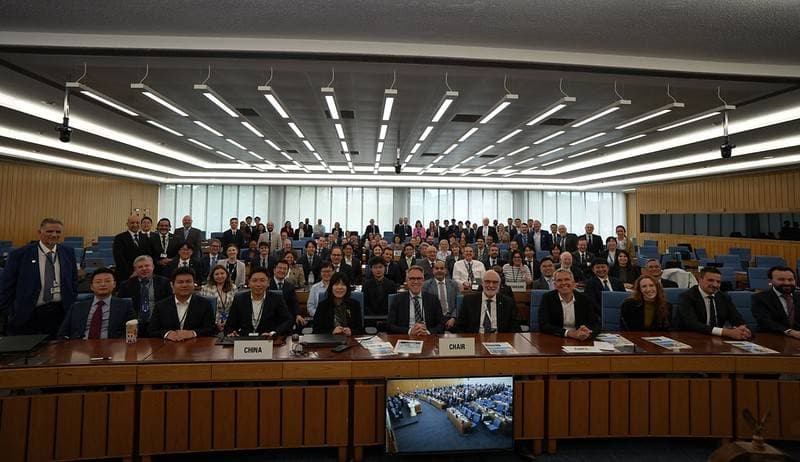
The International Maritime Organization's (IMO) Maritime Safety Committee, during its 111th session held from May 13 to 22, officially adopted a new global code for autonomous ships. Concurrently, the committee also approved updated guidelines for vessels operating on various alternative fuels. These measures represent a significant step towards regulating emerging technologies in the maritime sector.
The adoption of the autonomous ship code is crucial for establishing a standardized international framework for the design, construction, and operation of Maritime Autonomous Surface Ships (MASS). This code is expected to address safety, security, and environmental protection aspects, ensuring that advancements in automation do not compromise maritime standards. The enhanced guidelines for alternative fuels are intended to support the industry's transition away from conventional fossil fuels, providing clarity and safety protocols for new fuel types such as methanol, ammonia, and hydrogen.
For freight forwarders and supply chain professionals, these developments signal a future with potentially more efficient and environmentally friendly shipping options. Autonomous ships could eventually lead to optimized routing, reduced crew costs, and improved schedule reliability, though widespread adoption is still years away. The focus on alternative fuels will impact vessel availability, bunker choices, and potentially lead to new surcharges or green premiums for compliant vessels, influencing freight rates and carrier selection. Forwarders should monitor these regulatory changes as they will shape future vessel capabilities and operational costs.
The IMO will continue to develop and refine these codes and guidelines, with further detailed regulations expected to emerge as technology advances and operational experience grows.