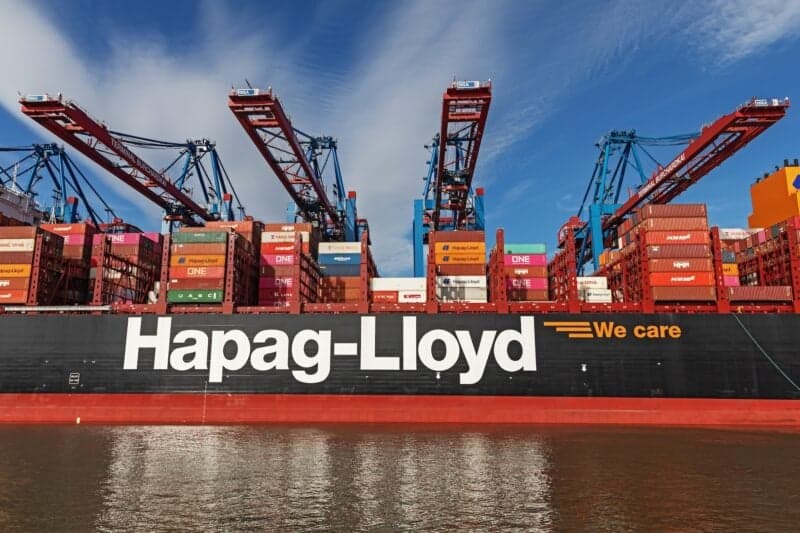
Hapag-Lloyd, a major container shipping company, announced a considerable financial loss for the first quarter of the year. The company cited two primary factors for this negative performance: the ongoing conflict in the Middle East, which has necessitated the rerouting of vessels away from the Suez Canal and through the longer Cape of Good Hope route, and severe weather events that have caused widespread delays across various shipping lanes.
The Red Sea crisis, specifically attacks on commercial shipping, has forced many carriers, including Hapag-Lloyd, to avoid the region. This strategic decision, while prioritizing crew and cargo safety, significantly extends transit times and increases fuel consumption, thereby escalating operational expenses. Concurrently, adverse weather conditions globally have further exacerbated scheduling challenges, leading to port congestion and additional costs.
For freight forwarders and operations managers, this news from a major carrier like Hapag-Lloyd underscores the continued volatility in global shipping. The extended transit times due to Red Sea rerouting mean longer lead times for cargo, requiring careful planning and communication with shippers. Increased operational costs for carriers often translate into higher freight rates or surcharges, impacting budgeting and profitability for forwarders. Furthermore, weather-related delays contribute to supply chain unpredictability, making it crucial for forwarders to build in buffer times and maintain flexible logistics strategies.
While the source does not explicitly state future actions, the current market conditions suggest that carriers will continue to manage capacity and routes dynamically in response to geopolitical events and environmental factors. Forwarders should anticipate ongoing adjustments to schedules and pricing as carriers navigate these complex challenges.