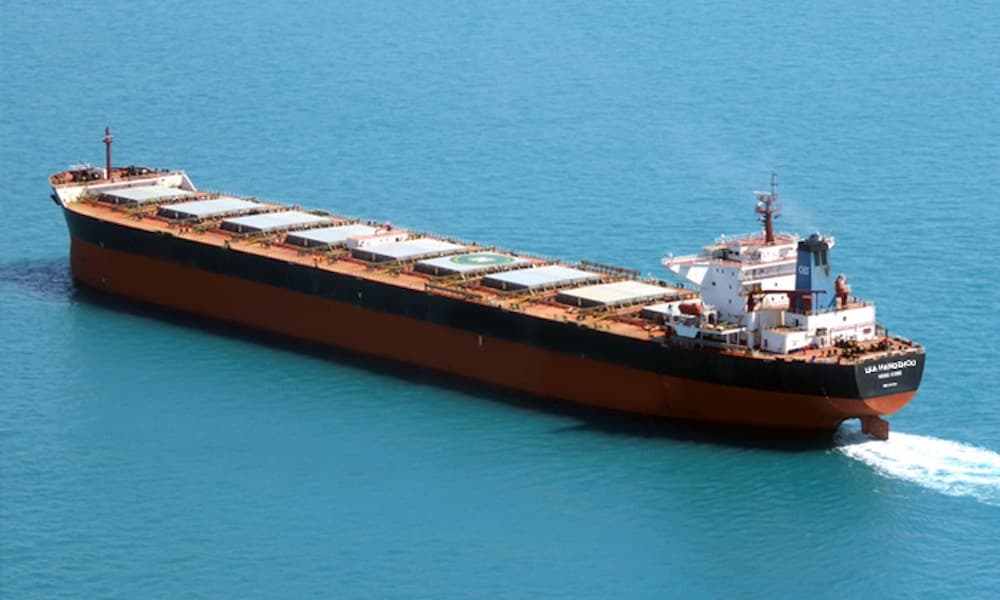
The global seaborne bauxite trade, which has been a consistent source of growth for the dry bulk shipping sector over the last five years, is currently confronting significant pressure from two distinct factors. Firstly, there is a looming possibility of Guinea implementing an export cap on bauxite. Such a restriction could lead to a substantial number of capesize vessels becoming available, potentially impacting freight rates and vessel utilization in the dry bulk market.
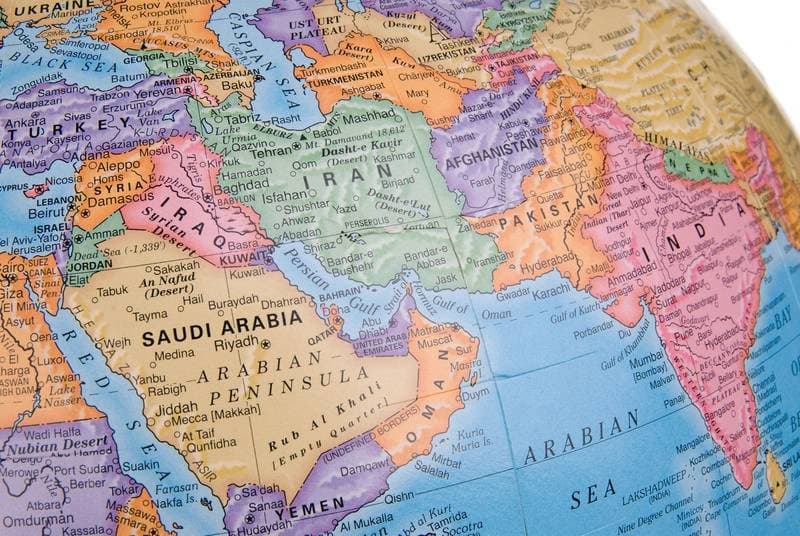
Simultaneously, a supply chain crisis originating from the Strait of Hormuz is compelling aluminum producers in the Middle East to incur higher costs. This situation adds another layer of complexity and uncertainty to the bauxite supply chain, as these producers rely on bauxite imports for their operations.
For freight forwarders and operations managers, these developments suggest a potential shift in capesize vessel availability and pricing. An export cap from Guinea could lead to increased vessel supply, potentially softening freight rates on relevant routes. The Hormuz situation, while more localized to the Middle East, could indirectly affect global bauxite demand and trade flows, necessitating careful monitoring of routing and scheduling for bauxite shipments. Forwarders should anticipate potential rate volatility and consider alternative sourcing or routing strategies if these pressures intensify.