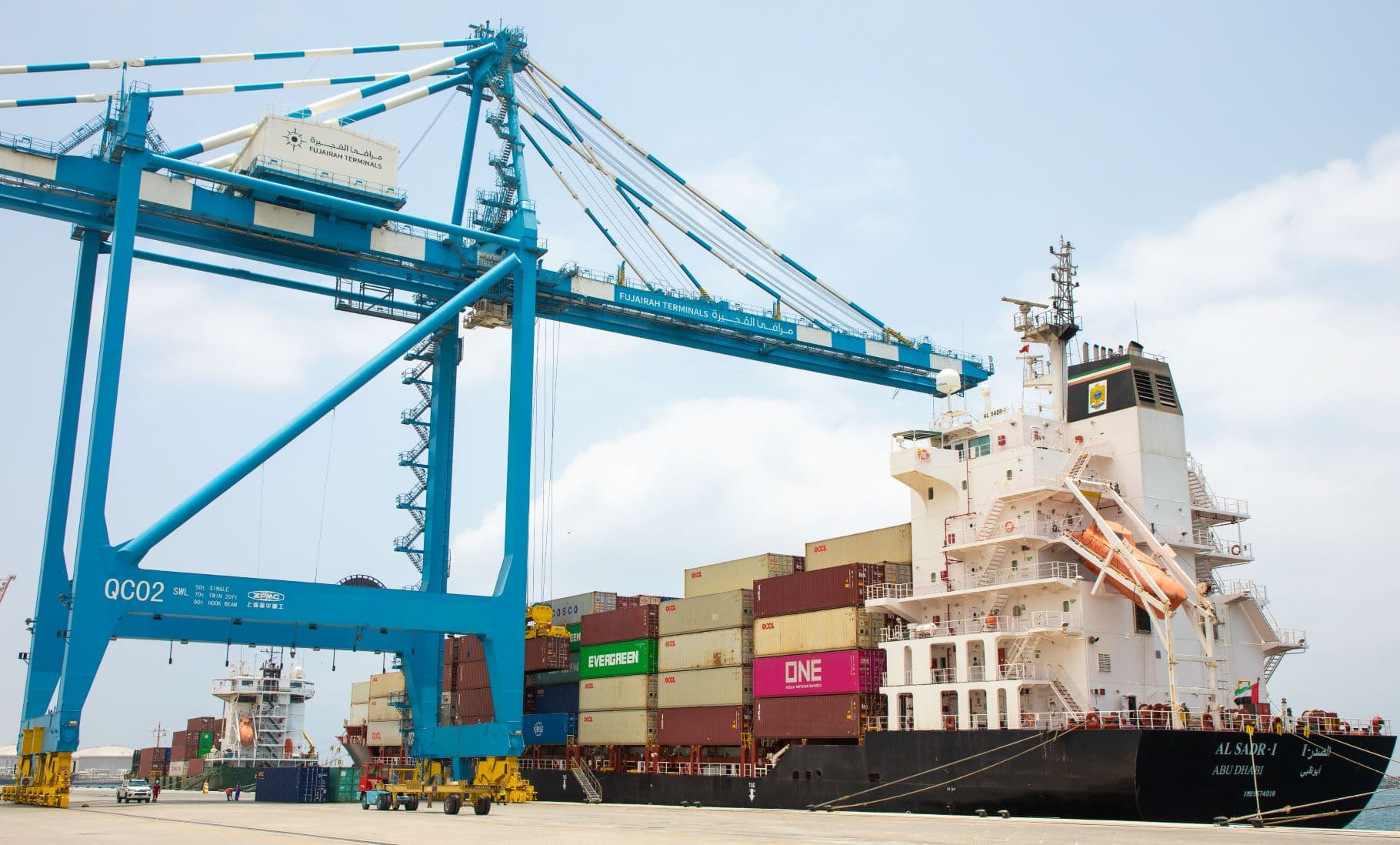
Fujairah Port, under the management of AD Ports, is increasingly recognized as a pivotal maritime infrastructure in the Gulf. Historically viewed as a backup to larger ports like Jebel Ali, Fujairah's role has expanded significantly, positioning it as a primary gateway for trade.
This transformation is largely due to its strategic geographical location outside the Strait of Hormuz. This positioning allows vessels to avoid transit through the strait, reducing potential geopolitical risks and transit times for certain routes. The port's development includes enhanced capabilities for various cargo types, including containers, bulk, and petroleum products, supported by substantial investments in infrastructure and technology.
For freight forwarders and shippers, Fujairah's rise offers several benefits. It provides an alternative, potentially more resilient, entry and exit point for goods destined for or originating from the Gulf region. This can lead to diversified routing options, reduced exposure to chokepoint risks, and potentially more efficient supply chains, especially for cargo that does not need to enter the Arabian Gulf. The port's growing capacity and connectivity could also introduce new competitive dynamics among regional ports, potentially influencing shipping rates and service offerings.
The ongoing expansion and strategic focus on Fujairah suggest its importance will continue to grow, further solidifying its position as a major player in the global maritime network.