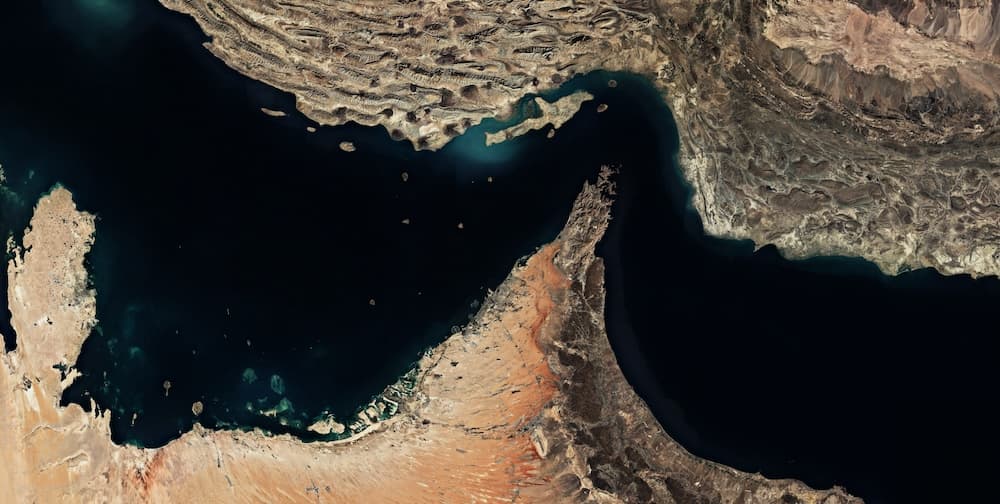
Security concerns are intensifying within the Strait of Hormuz region, following reports of US military actions in Iran, drone and missile activity near Kuwait, and Iranian orders for vessels to alter course. Additionally, the US has placed the Persian Gulf Strait Authority on its OFAC sanctions list, introducing new compliance challenges for shipping operations.
This heightened instability is directly affecting maritime trade, particularly for traffic transiting the critical Strait of Hormuz. The situation is contributing to a notable increase in container freight rates on the Asia-Europe trade lane, which were already under pressure.
For freight forwarders and shippers, this escalation translates into significant operational challenges. They face increased security risks, potential delays, and the need to navigate evolving compliance requirements related to sanctions. The rising rates on the Asia-Europe route will impact budgeting and profitability, requiring careful consideration of routing options and potential surcharges. Forwarders must closely monitor geopolitical developments and assess their impact on vessel movements and insurance premiums.