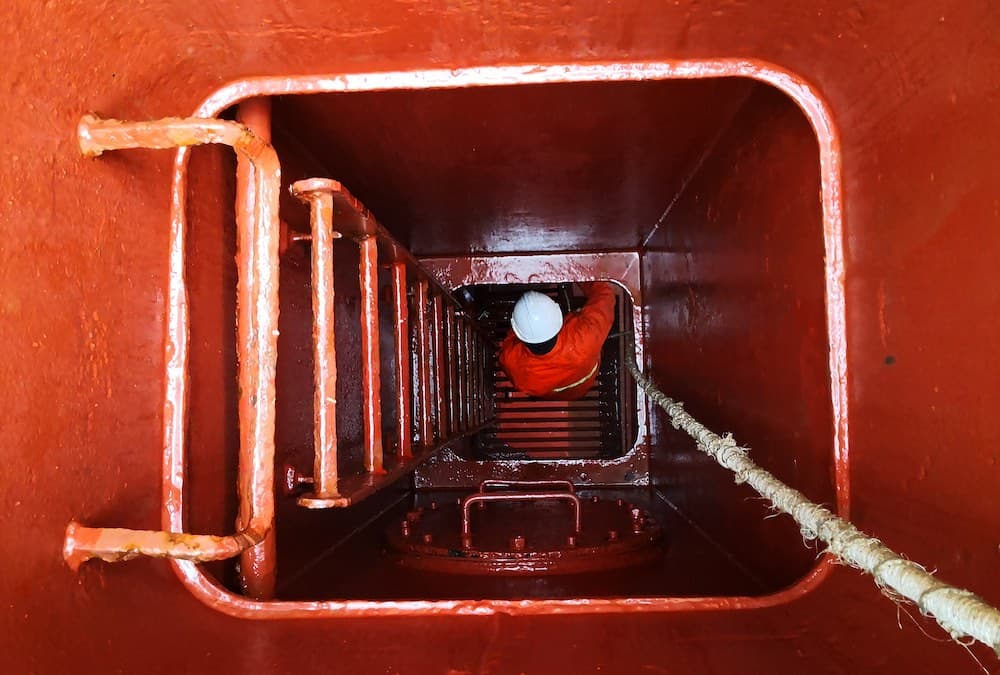
Fatalities within enclosed spaces on vessels remain a persistent issue in the maritime industry, even with existing safety protocols and crew training. An ongoing analysis indicates that these incidents often occur during routine operations such as cargo handling and inspections, suggesting that familiarity might inadvertently contribute to complacency.
The continued occurrence of these tragic events points to deeper issues beyond just a lack of procedures. Factors such as ingrained behavioral patterns among crew members and superintendents, as well as gaps within current safety management systems, are identified as contributing elements. The presence of a superintendent on board and open hatch covers during an incident does not automatically prevent accidents, highlighting that the perception of a "normal day" can mask underlying risks.
For freight forwarders and operations managers, these incidents underscore the critical importance of carrier safety records and operational integrity. While not directly impacting rates or capacity, a serious incident can lead to delays, investigations, and potential disruptions to vessel schedules. It also emphasizes the shared responsibility across the supply chain to advocate for and ensure the highest safety standards are maintained by vessel operators. Forwarders should be aware that such incidents can affect cargo delivery timelines due to unforeseen port state control interventions or investigations.
Moving forward, there is a clear call for greater transparency and visibility across the maritime sector regarding these incidents. This includes sharing lessons learned, re-evaluating training effectiveness, and implementing technological solutions or stricter enforcement mechanisms to mitigate risks associated with enclosed spaces. The goal is to move beyond mere compliance to fostering a proactive safety culture that anticipates and prevents such tragedies.