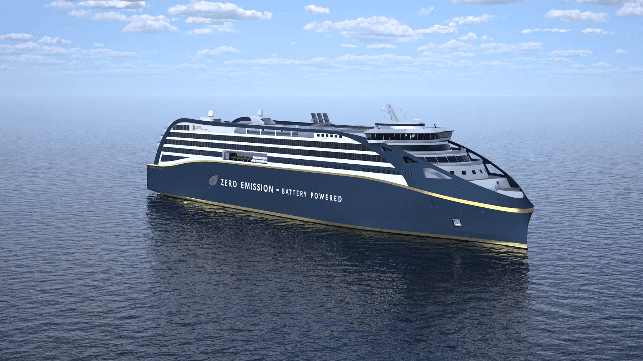
A recent study has evaluated the feasibility and potential implementation of electric-powered RoPax (Roll-on/Roll-off Passenger) vessels within European shipping networks. The findings suggest that these vessels could be a viable option for numerous routes across the continent, offering a pathway towards more sustainable maritime transport.
This research contributes to the broader industry discussion on decarbonization and the adoption of alternative fuel sources in shipping. As regulatory pressures increase for cleaner operations, electric propulsion is gaining traction, particularly for shorter sea voyages where charging infrastructure can be more readily developed.
For freight forwarders and operations managers, the widespread adoption of electric RoPax vessels could lead to several implications. It may necessitate changes in port call scheduling to accommodate charging times, potentially affecting transit times on specific routes. Furthermore, the development of shore power and charging facilities at ports will be crucial, which could influence port selection and operational efficiency. While direct rate impacts are not immediately clear, a shift to electric vessels could stabilize fuel-related surcharges in the long term by reducing reliance on fossil fuels. Capacity on these vessels is primarily for accompanied cargo and passenger vehicles, so the impact on unaccompanied container or trailer freight might be indirect, primarily through port congestion or infrastructure changes.