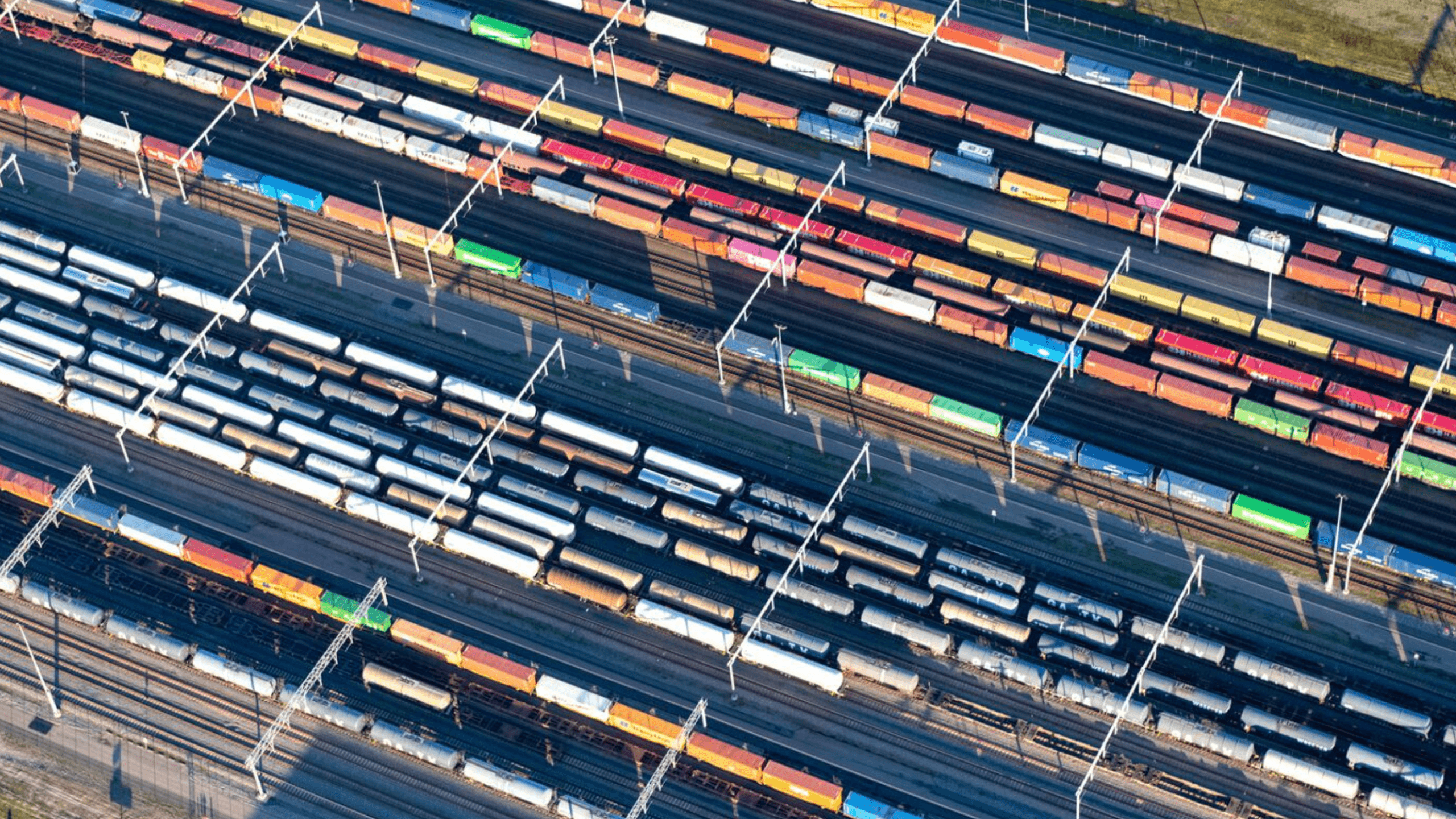
Dutch rail freight operators are experiencing increased infrastructure costs, especially those originating from the Port of Rotterdam. This financial disadvantage is more pronounced when compared to Belgian operators using the Port of Antwerp, who benefit from more favorable subsidy structures.
This subsidy gap directly affects the competitiveness of rail transport for various cargo types, including containers, chemicals, and ore. It specifically impacts key European hinterland corridors, potentially shifting traffic away from Dutch ports and rail networks.
For freight forwarders and logistics managers, this situation could translate into higher rail freight rates for cargo moving through the Netherlands. It might also encourage a re-evaluation of routing options, potentially favoring Belgian ports for certain shipments to optimize costs. The long-term impact could be a reduction in the volume of goods transported by rail from Rotterdam if the cost differential becomes too significant.
ProRail and the Port of Rotterdam have highlighted these subsidy discrepancies, indicating a need for policy adjustments to level the playing field and ensure the continued viability and competitiveness of Dutch rail freight services.