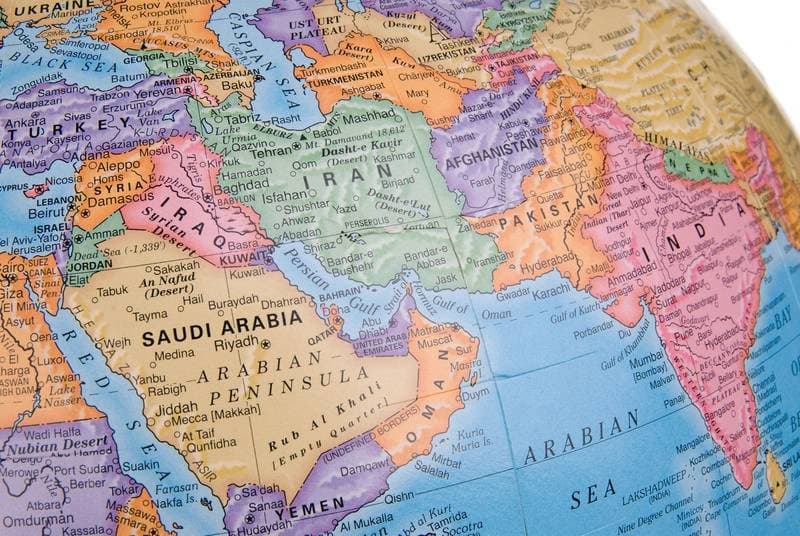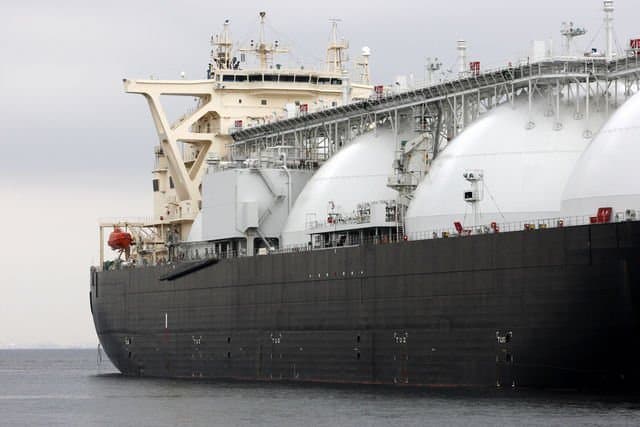
Seven large liquefied natural gas (LNG) carriers, originally built in 2005 and 2006, have recently been sold. This increased transactional activity in the second-hand market for older LNG vessels is a direct consequence of recent disruptions in the Strait of Hormuz. These geopolitical events have tightened the global availability of LNG, leading to higher prices and compelling Asian buyers to explore diverse supply channels.
One of the prominent buyers in this trend is Rising Universe Shipping, a company with Chinese affiliations, managed by Dongtinghu Shipping. The acquisition of these older vessels suggests a strategic move to quickly expand capacity to meet immediate market needs, rather than waiting for newbuild deliveries.
For freight forwarders and operations managers, this development indicates a potentially tighter market for LNG shipping capacity, even for older tonnage. While directly impacting LNG commodity movements, it also reflects broader supply chain vulnerabilities. Increased demand for these vessels could lead to higher charter rates for LNG carriers, affecting the overall cost of energy transport. Shippers of LNG may face elevated freight costs and potentially fewer immediate options for securing vessel space, especially for spot market requirements.