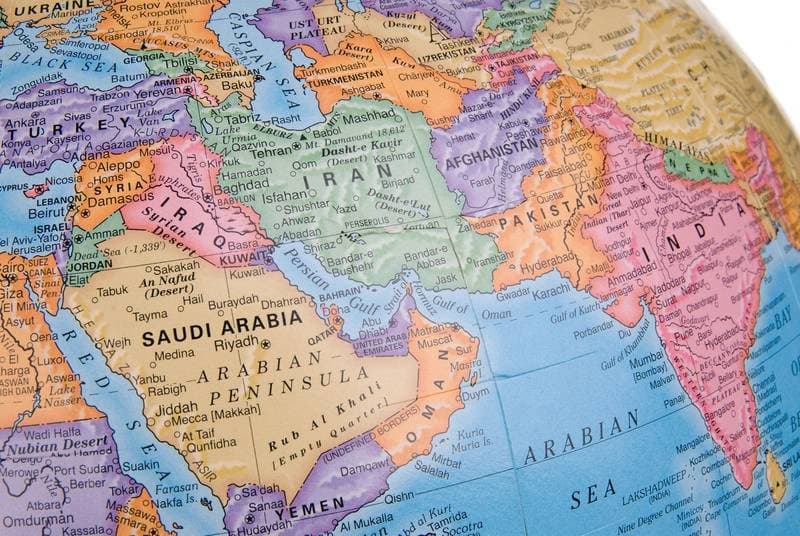
Three Very Large Crude Carriers (VLCCs) successfully transited the Strait of Hormuz outbound on Wednesday. Maritime intelligence firm Windward characterized this event as the most significant indication in nearly three months of a coordinated operating protocol being re-established in the critical waterway. This marks the first time in approximately 12 weeks that such a synchronized passage has been observed, suggesting a potential return to some form of guided transit through the strait.
For freight forwarders and operations managers, any improvement in the predictability and safety of transits through the Strait of Hormuz is significant. While this specific event concerns oil tankers, it could potentially signal a broader de-escalation or establishment of clearer operational guidelines in the region. Increased coordination might reduce the risk of incidents, potentially leading to more stable insurance premiums and less volatile scheduling for all vessel types traversing this crucial chokepoint. Forwarders should monitor for further developments regarding security protocols and transit advisories in the region, as enhanced coordination could contribute to more reliable vessel movements and supply chain stability.