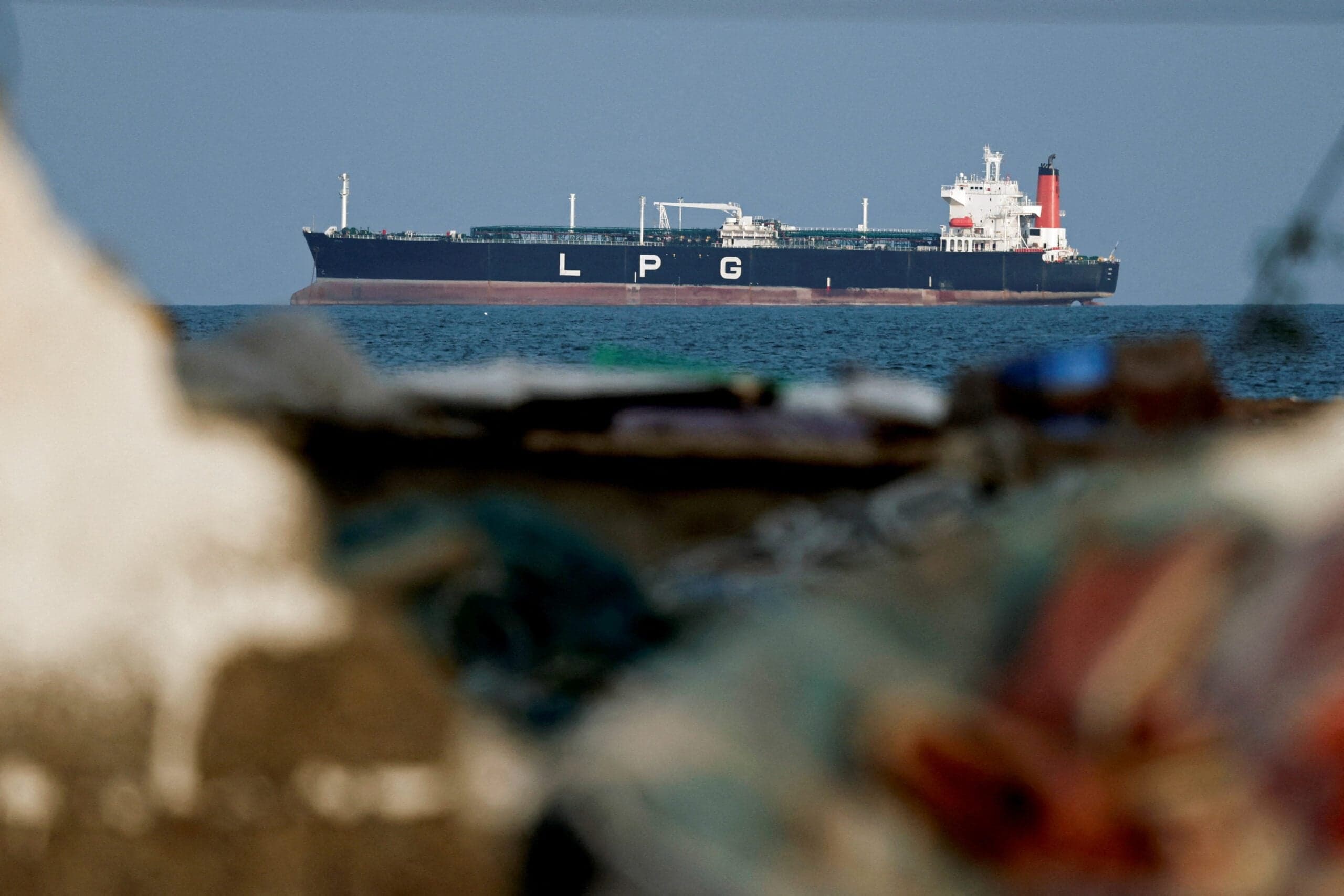
Iran and Oman are reportedly engaged in discussions concerning the potential implementation of a permanent toll system for vessels transiting the Strait of Hormuz. This move is seen as an effort by Iran to formalize and assert greater control over the significant maritime traffic that passes through this vital waterway.
The Strait of Hormuz is a globally critical chokepoint, connecting the Persian Gulf to the open ocean. A substantial portion of the world's seaborne oil and liquefied natural gas (LNG) passes through this strait, along with considerable container and dry bulk cargo. Any changes to its operational status or the introduction of new fees could have widespread implications for international shipping.
For freight forwarders and shippers, the establishment of a toll system could introduce new costs and potential administrative complexities for shipments moving through the Persian Gulf. While the immediate impact on capacity is unlikely, increased transit costs would likely be passed on to cargo owners, affecting supply chain budgeting and potentially influencing routing decisions for some high-value or time-sensitive cargo if alternative, albeit longer, routes become comparatively more attractive. Monitoring the progress of these discussions will be crucial for anticipating future operational and financial impacts.
Further details on the proposed toll structure, implementation timeline, or the scope of vessels that would be subject to such a fee have not been disclosed. The discussions are ongoing, and the outcome remains uncertain.