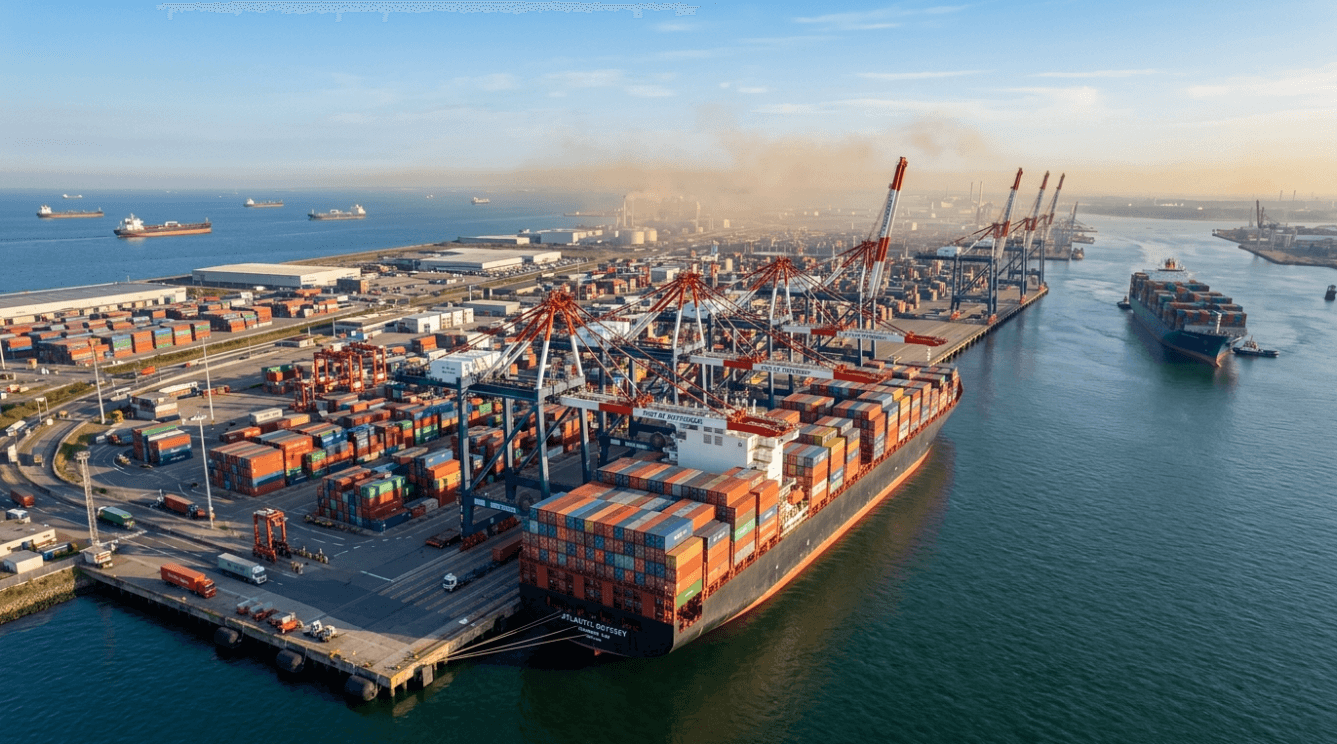
In the first quarter of 2026, the container shipping sector experienced a 4% increase in CO2 emissions intensity, totaling 54.5 million tons. This rise, reported by VesselBot data, occurred even as the global container fleet expanded significantly. Key factors contributing to this decline in efficiency included ongoing disruptions in the Strait of Hormuz, which likely forced longer routes or slower speeds, and a general decrease in vessel utilization rates.
The data also highlighted a growing disparity in efficiency between larger container vessels and smaller feeder services operating across major trade lanes. This suggests that while larger ships might be designed for greater fuel efficiency, operational challenges and market conditions are hindering their ability to translate fleet growth into reduced emissions intensity.
For freight forwarders and operations managers, this trend indicates potential challenges in meeting sustainability targets and managing carbon footprints. Increased emissions intensity could lead to higher costs associated with environmental regulations, such as the EU ETS, if not directly, then through carrier surcharges. The operational disruptions and lower utilization rates also point to potential schedule reliability issues and capacity imbalances, requiring careful planning for routing and booking cargo. Forwarders may need to prioritize carriers demonstrating better emissions performance or consider alternative routing strategies to mitigate environmental impact and potential regulatory costs.