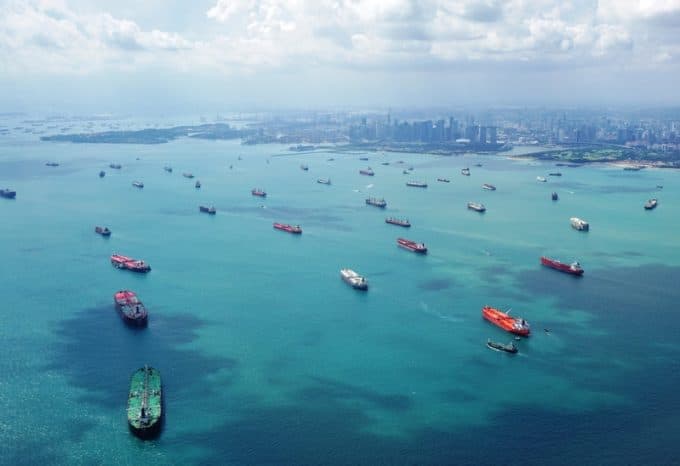
The global container shipping fleet is currently operating at near full capacity, with an exceptionally low percentage of vessels idled. This situation excludes ships that are currently caught up in disruptions within the Persian Gulf and Red Sea regions, which have necessitated longer voyages and absorbed significant capacity.
This high utilization rate suggests a robust demand environment or effective capacity management by carriers. Despite the scarcity of idle vessels, shipping lines are reportedly still looking for 'healthy deals' when chartering out available tonnage. This indicates a disciplined approach to pricing and a focus on profitability, rather than simply deploying every available ship at any cost.
For freight forwarders and shippers, this tight capacity environment implies a continued upward pressure on freight rates and potentially less flexibility in securing immediate vessel space. The absence of a significant idle fleet means that any sudden surge in demand or further operational disruptions could quickly lead to capacity shortages and rate spikes. Forwarders should anticipate a market where securing competitive long-term contracts and maintaining strong carrier relationships will be crucial to mitigate potential cost increases and service disruptions.