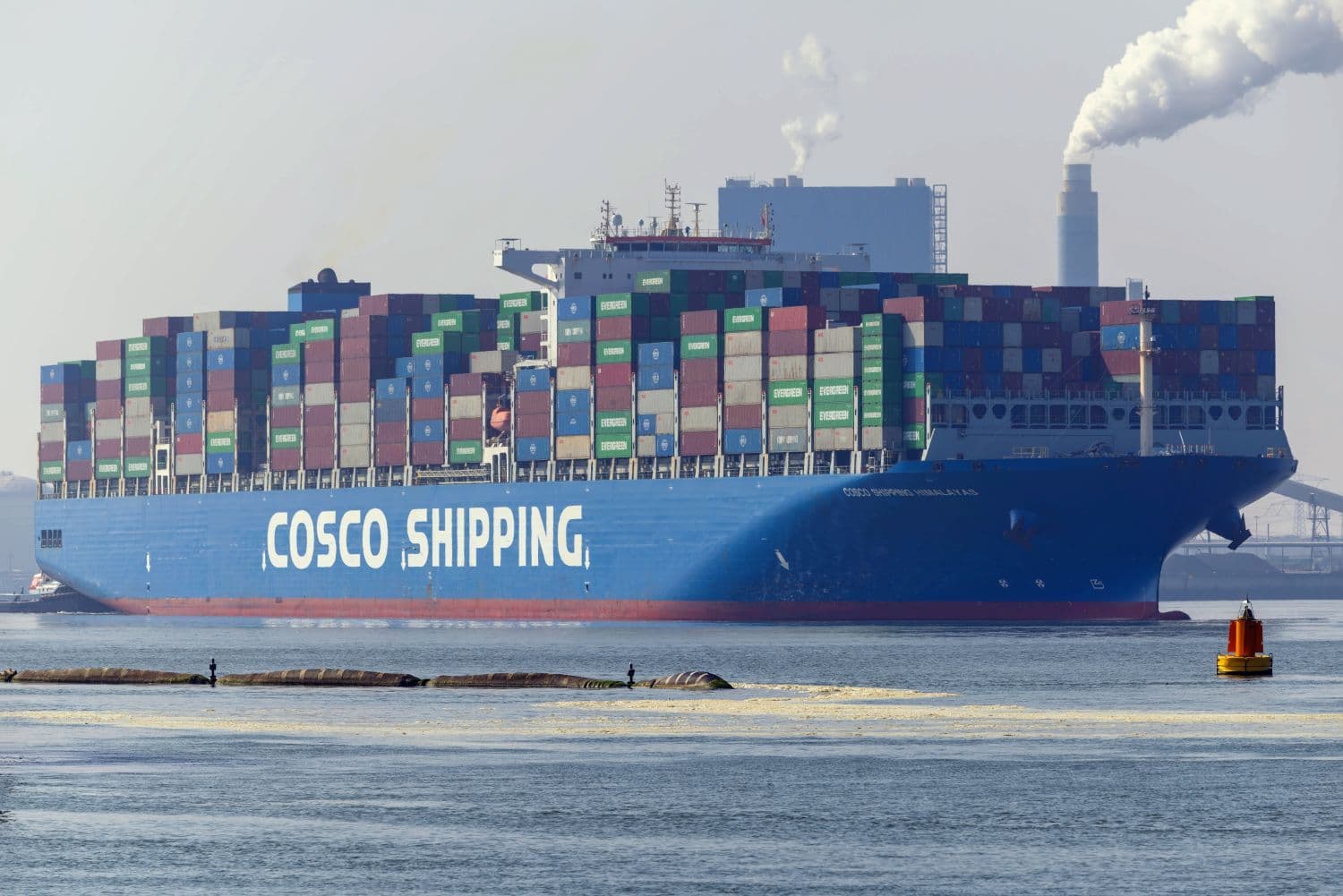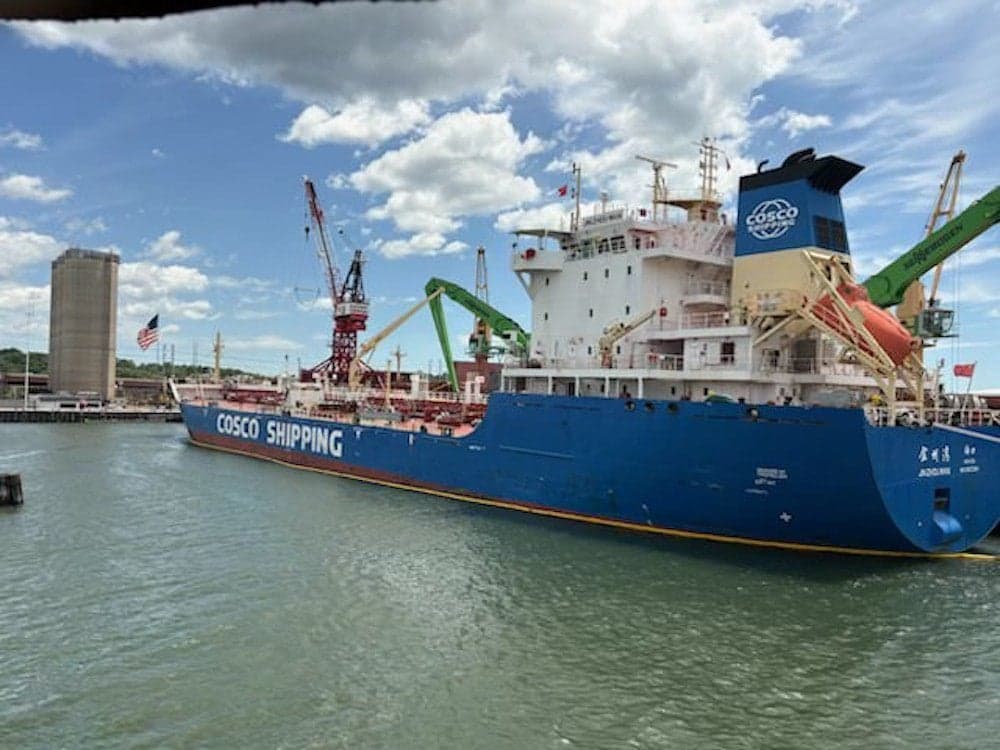
A Chinese-owned COSCO tanker recently delivered asphalt to Connecticut, operating under an emergency Jones Act waiver issued by the Trump administration. This incident has reignited discussions regarding the application and necessity of these waivers, particularly as highlighted by the American Maritime Partnership (AMP).
For freight forwarders and logistics professionals, the use of Jones Act waivers can introduce complexities in domestic U.S. shipping. While waivers can provide temporary solutions for specific cargo movements when U.S.-flagged capacity is unavailable or insufficient, they also spark debate about their impact on the long-term viability and competitiveness of the American maritime industry. The granting of such waivers can affect vessel availability and routing options for certain types of cargo, potentially influencing costs and transit times for domestic shipments. Forwarders need to be aware of the conditions under which waivers are granted and their potential to disrupt or facilitate specific supply chains.