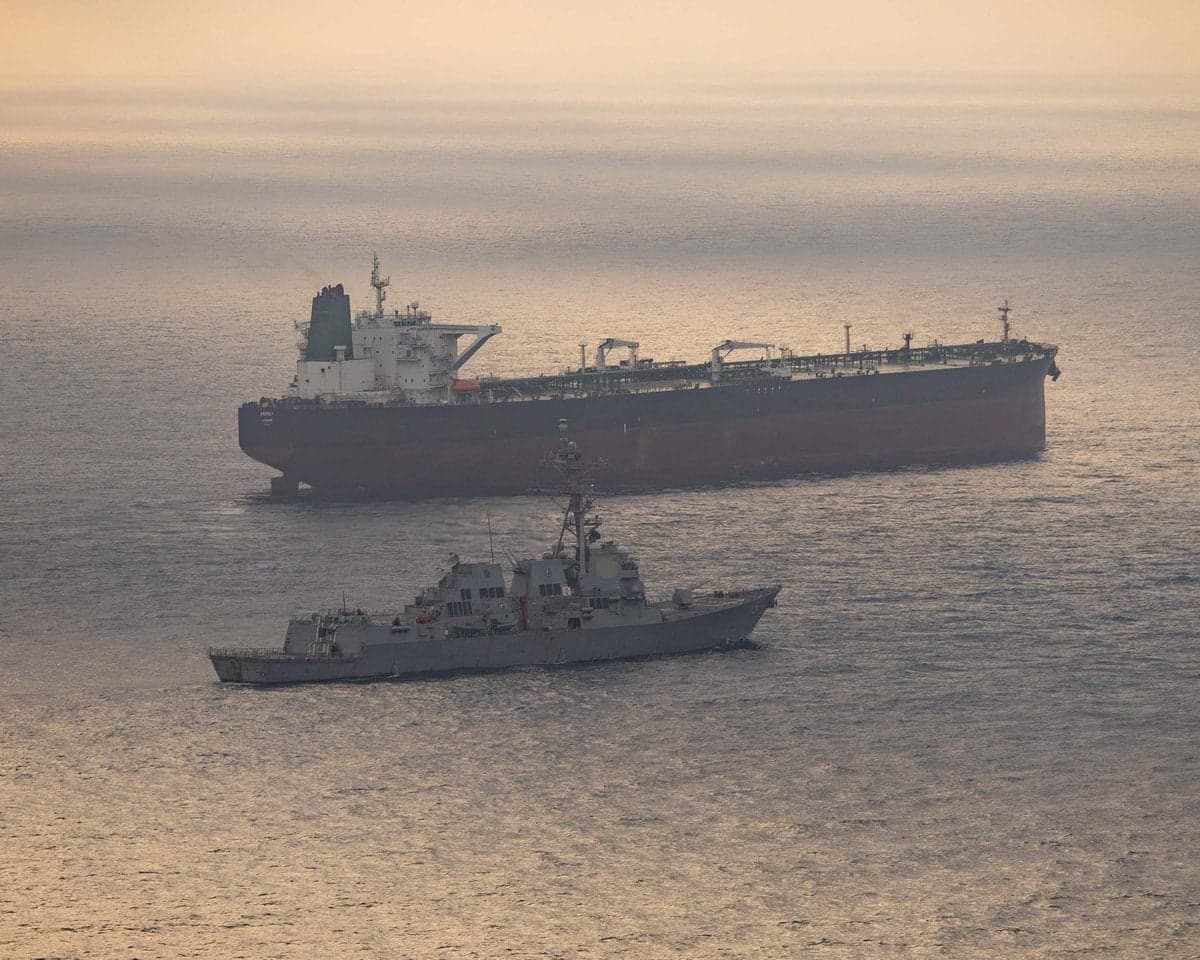
Chevron's CEO, Mike Wirth, declared that the U.S. oil and gas major has no intention of paying a toll for its vessels to transit through the Strait of Hormuz. This decision comes amidst reports of several recent attacks on ships operating in the strait, a vital chokepoint for global energy shipments.
This situation underscores the escalating geopolitical tensions in the Persian Gulf region, particularly concerning the safety and security of maritime trade. The Strait of Hormuz is a critical passage for a significant portion of the world's oil supply, making any disruption or increased cost a major concern for the global economy and supply chains.
For freight forwarders and shippers, this development signals heightened operational risks and potential cost implications for cargo moving through the Strait of Hormuz. While a direct toll isn't being paid by Chevron, the underlying security issues could lead to increased war risk premiums for insurance, longer transit times due to heightened vigilance or rerouting, and potential capacity constraints if carriers become more hesitant to operate in the area. Forwarders should monitor the situation closely and advise clients on potential surcharges or alternative routing strategies to mitigate risks.
The article does not specify any immediate next steps or changes in shipping routes by Chevron, but the CEO's statement indicates a firm position against any proposed toll.