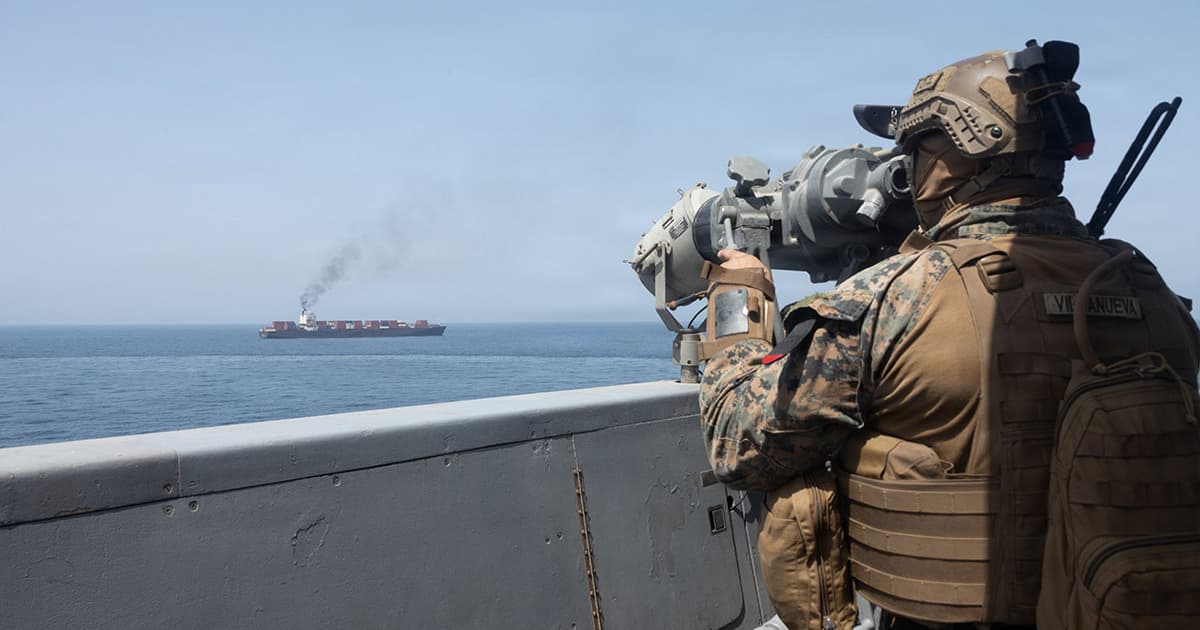
The global oil market is experiencing downward pressure due to increasing confidence that the United States and Iran are nearing a diplomatic resolution. Recent reports suggest that both nations have reached a memorandum of understanding (MoU) aimed at extending a ceasefire by 60 days. A key implication of this potential agreement is the reopening of the Strait of Hormuz, a critical chokepoint for global oil transit.
For freight forwarders and logistics operations, a sustained recovery in oil supply, particularly if the Strait of Hormuz becomes more accessible, could lead to a stabilization or reduction in bunker fuel prices. Lower fuel costs directly translate to reduced operational expenses for carriers, which may eventually be reflected in more competitive freight rates. Conversely, any breakdown in these negotiations could quickly reverse the trend, leading to price volatility and increased shipping costs.
The situation remains fluid, with market reactions closely tied to the progress of diplomatic efforts. Forwarders should monitor developments closely to anticipate potential shifts in fuel surcharges and overall shipping costs.