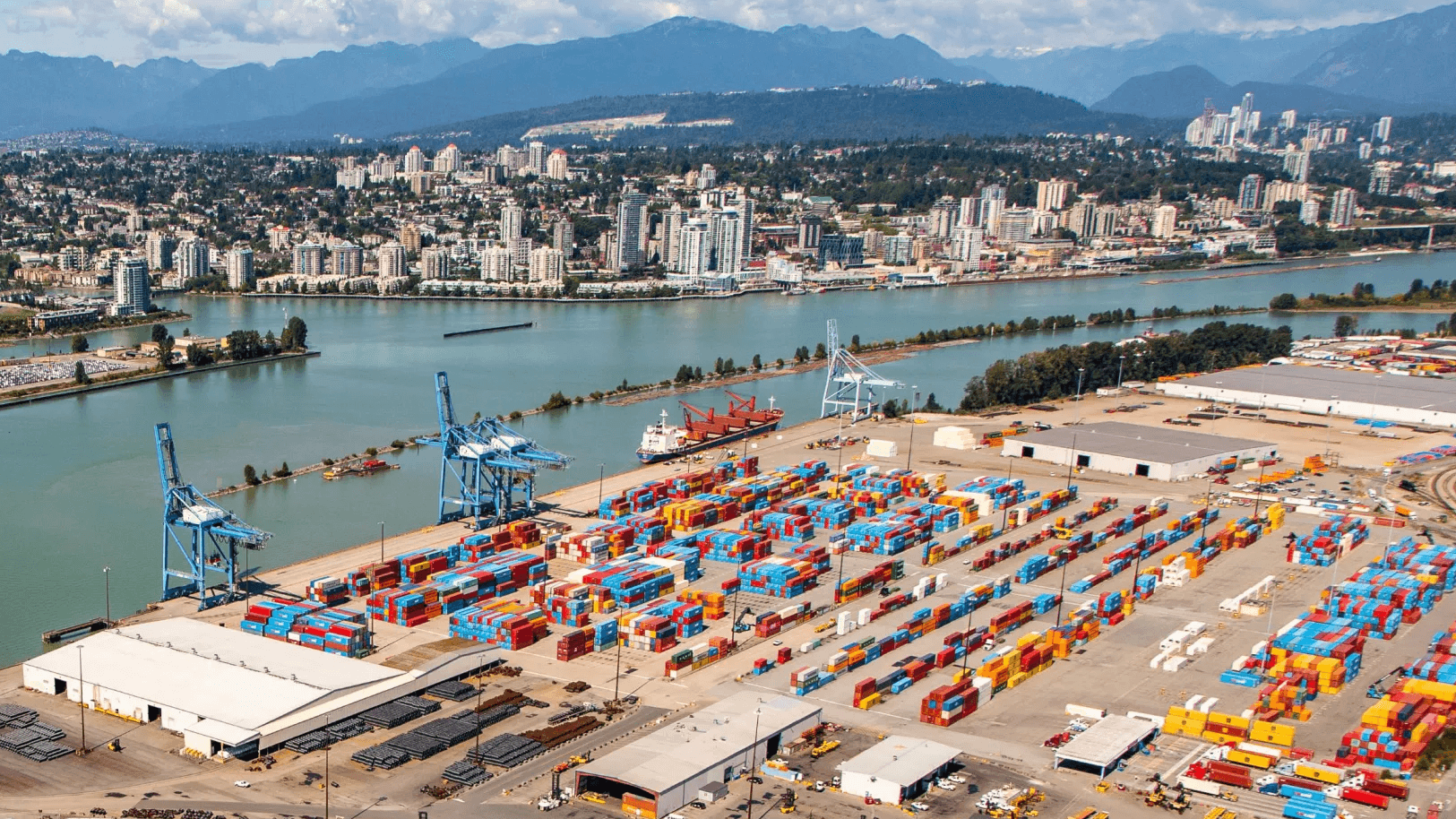
A recent analysis by the Bank of Canada highlights a substantial decrease in the global standing of Canadian ports regarding maritime shipping capacity. These ports have slipped from the 6th position to the 23rd globally, primarily because their infrastructure is not equipped to handle the increasingly common mega-vessels. This limitation forces larger ships to bypass Canadian terminals, impacting the country's role in international trade.
The shift in global trade routes, particularly the growing emphasis on Asia, means that importers, exporters, and breakbulk operators are now navigating longer and often more indirect shipping paths. This geographical reorientation introduces additional complexities and risks into the supply chain, potentially leading to increased transit times and higher operational costs.
For freight forwarders and operations managers, this development signifies a need to re-evaluate routing strategies for cargo destined for or originating from Canada. The reduced direct access for larger vessels could lead to increased reliance on feeder services or alternative port gateways, potentially affecting transit times and overall logistics costs. Forwarders may need to explore multimodal solutions or consider ports in other regions that can accommodate mega-vessels, adding layers of complexity to shipment planning. The shift also underscores the importance of robust risk management strategies to mitigate potential disruptions arising from these extended and less direct supply chains.