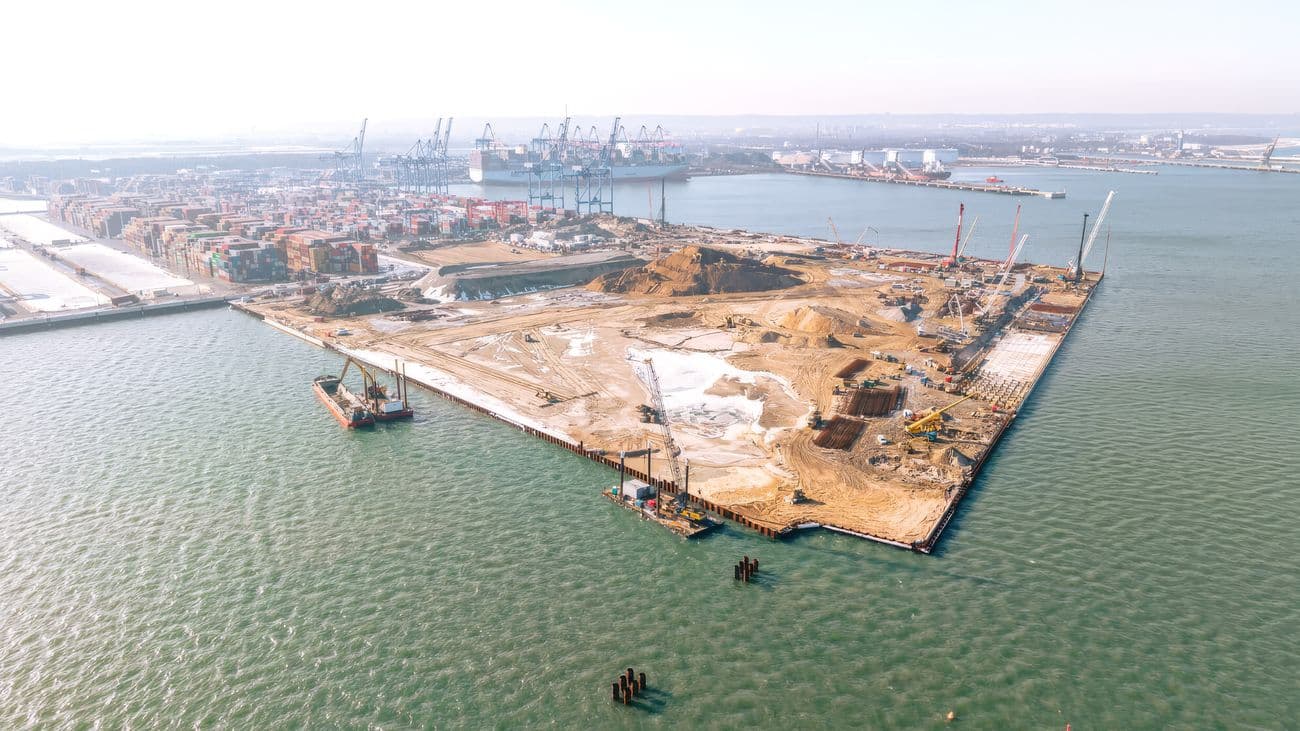
Ports throughout the Baltic Sea region are strategically enhancing their capabilities to serve the rapidly expanding offshore wind energy market. This initiative is driven by forecasts suggesting that the region's offshore wind generating capacity could exceed 20 gigawatts (GW) by 2030. These ports are positioning themselves to handle the specialized logistics requirements of large-scale wind farm developments, including the transportation, storage, and assembly of oversized and heavy components such as turbine blades, towers, and foundations.
This development is crucial for freight forwarders specializing in breakbulk and project cargo. It signifies increased opportunities for handling complex shipments within the Baltic Sea area. Forwarders should anticipate a growing demand for specialized vessel charters, heavy-lift equipment, and expert port services. Understanding the specific capabilities and infrastructure of individual Baltic ports will be vital for optimizing routing and managing project timelines for offshore wind components. This focus on wind energy infrastructure also suggests potential for new partnerships and specialized service offerings in the region.