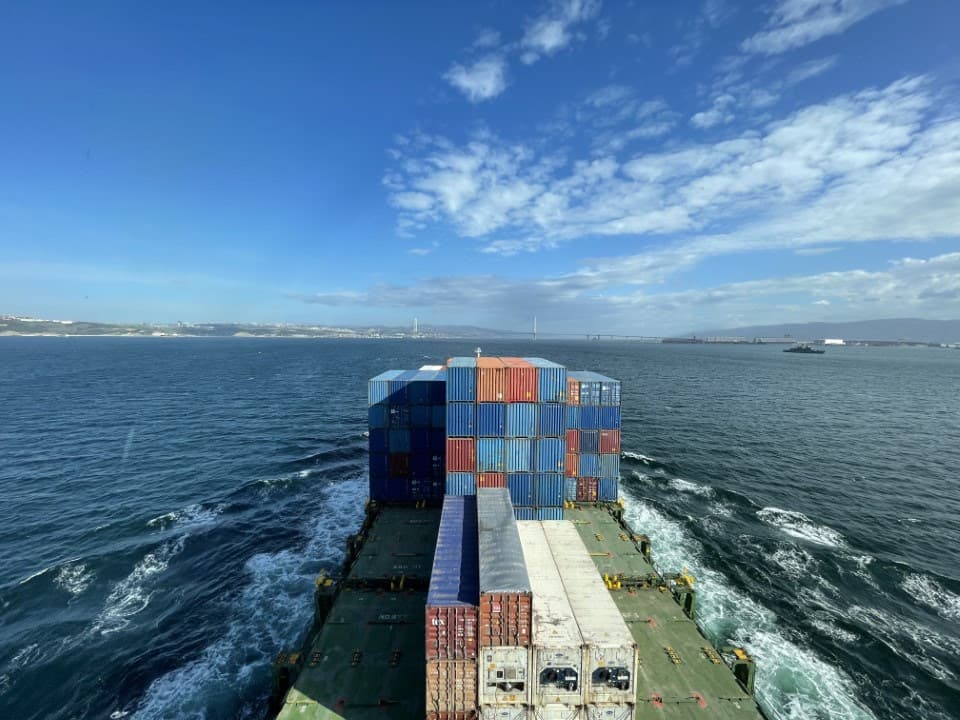
Australia has officially launched its national strategic fleet, integrating the ANL Kokoda as its inaugural vessel. This initiative signifies a broader global re-evaluation of the role of commercial shipping, particularly in an era characterized by escalating geopolitical tensions and supply chain vulnerabilities. The decision to establish such a fleet moves beyond traditional economic rationales, emphasizing the strategic importance of maritime assets for national security and resilience.
This development aligns with a growing international trend where countries are increasingly considering their merchant fleets as critical infrastructure, capable of supporting national interests during times of crisis, conflict, or significant disruption. The concept of a 'strategic fleet' typically involves ensuring access to vessels for defense, humanitarian aid, or maintaining essential trade routes, even when commercial market conditions might dictate otherwise.
For freight forwarders and logistics professionals, this trend could introduce new dynamics into global shipping. While the immediate impact on rates or capacity might be limited, the long-term implications could include increased government influence over vessel deployment, potential prioritization of national cargo, or even the requisitioning of vessels in extreme circumstances. Understanding a nation's strategic fleet doctrine will become increasingly relevant for planning routes and managing supply chain risks, especially for trade lanes involving countries with similar policies. It highlights a potential shift from purely commercial considerations to a more integrated approach where national security and economic resilience are intertwined with maritime logistics.