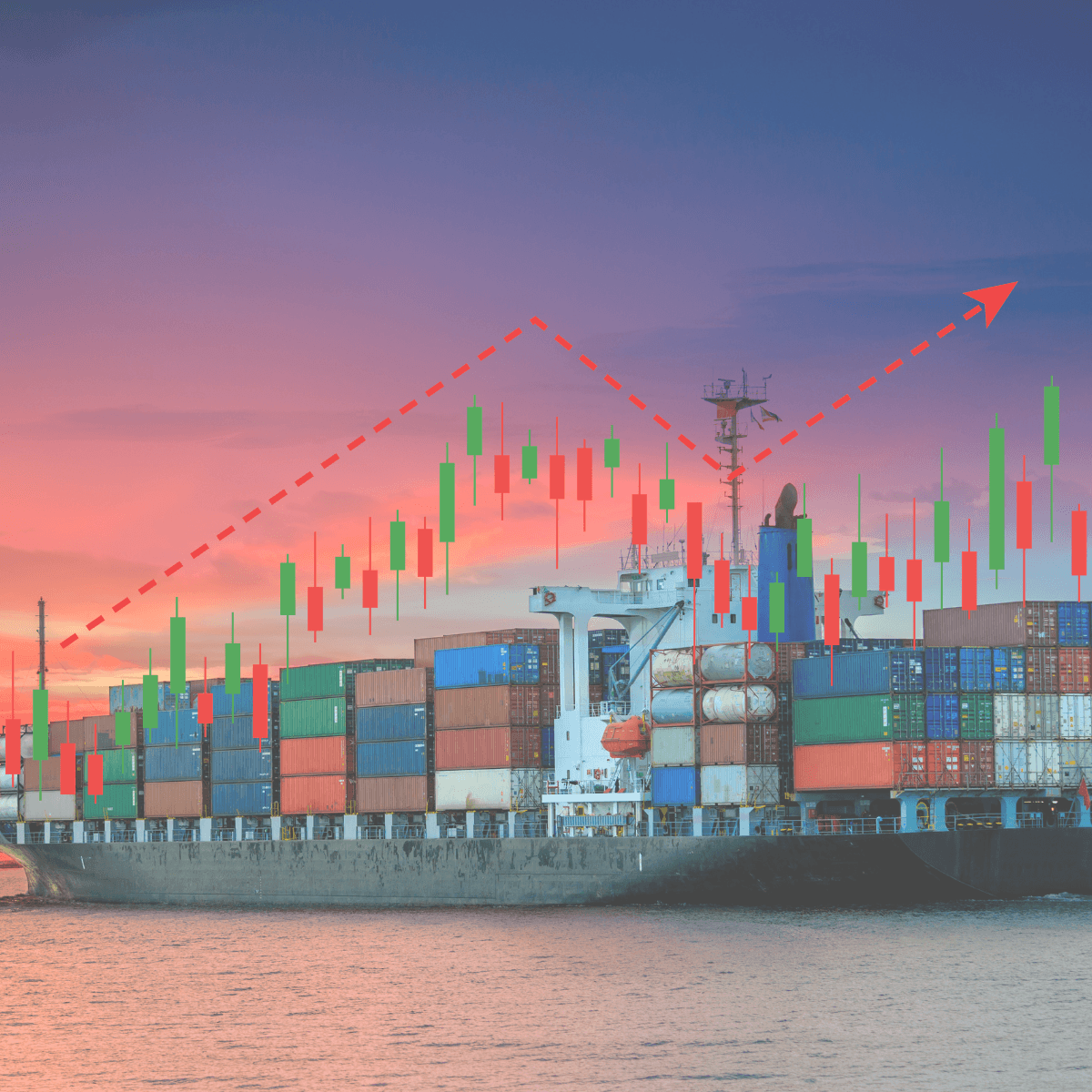
Container shipping activity on key global trade lanes, specifically Asia-Europe and the Transpacific, presented a mixed picture during the initial months of 2026. According to recent data from the Japan Maritime Center, the Transpacific route experienced a weakening in container volumes from Asia, suggesting a softening in demand for goods destined for the United States. In contrast, the Asia-Europe trade lane demonstrated resilient cargo volumes, indicating sustained demand in that market.
This divergence in demand trends contributed to ongoing volatility in freight rates across both major routes. For freight forwarders and operations managers, this means a dynamic and potentially unpredictable pricing environment. On the Transpacific, reduced demand could lead to downward pressure on rates and potentially increased capacity availability, offering some relief for shippers. However, the sustained demand on Asia-Europe might keep rates elevated or subject to fluctuations based on capacity management and operational factors. Forwarders will need to closely monitor market indicators and carrier announcements to navigate these differing conditions, optimize routing, and manage client expectations regarding costs and transit times.
The contrasting performance highlights the regional specificities influencing global container shipping, requiring a nuanced approach to procurement and logistics planning for the coming months.