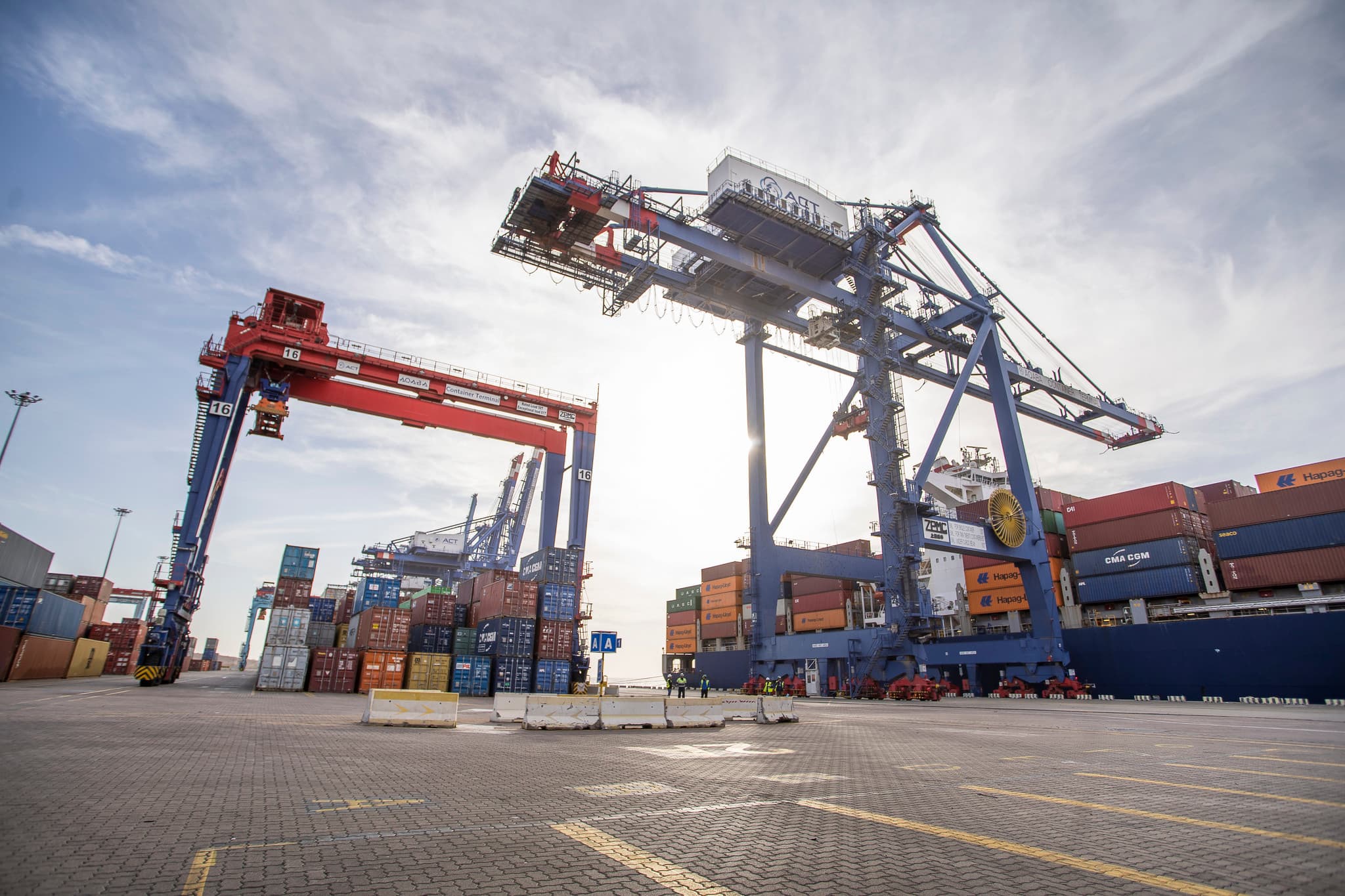
The Port of Aqaba is undergoing a significant transformation, aiming to become a prominent energy and logistics hub in the region. This strategic pivot is driven by disruptions in key regional shipping chokepoints, prompting the port to absorb infrastructure that has been displaced from the Arabian Gulf.
Aqaba's new cargo identity is multifaceted. It includes managing imports of Liquefied Natural Gas (LNG) and facilitating the export of green fuels. Furthermore, the port is developing and strengthening overland transit corridors to Iraq, enhancing its role as a multimodal gateway for regional trade.
For freight forwarders and operations managers, this development signifies potential new routing options and increased cargo handling capabilities in the Eastern Mediterranean. The focus on energy logistics, particularly green fuels, could open up specialized cargo opportunities. The establishment of reliable overland connections to Iraq offers an alternative or supplementary route for goods destined for the Iraqi market, potentially reducing transit times and offering more diverse supply chain solutions. Forwarders should monitor the operational readiness and capacity of these new services.
This strategic reorientation positions Aqaba to capitalize on evolving regional trade patterns and energy demands, offering diversified services and enhancing its competitive standing as a critical node in the broader Middle Eastern logistics network.