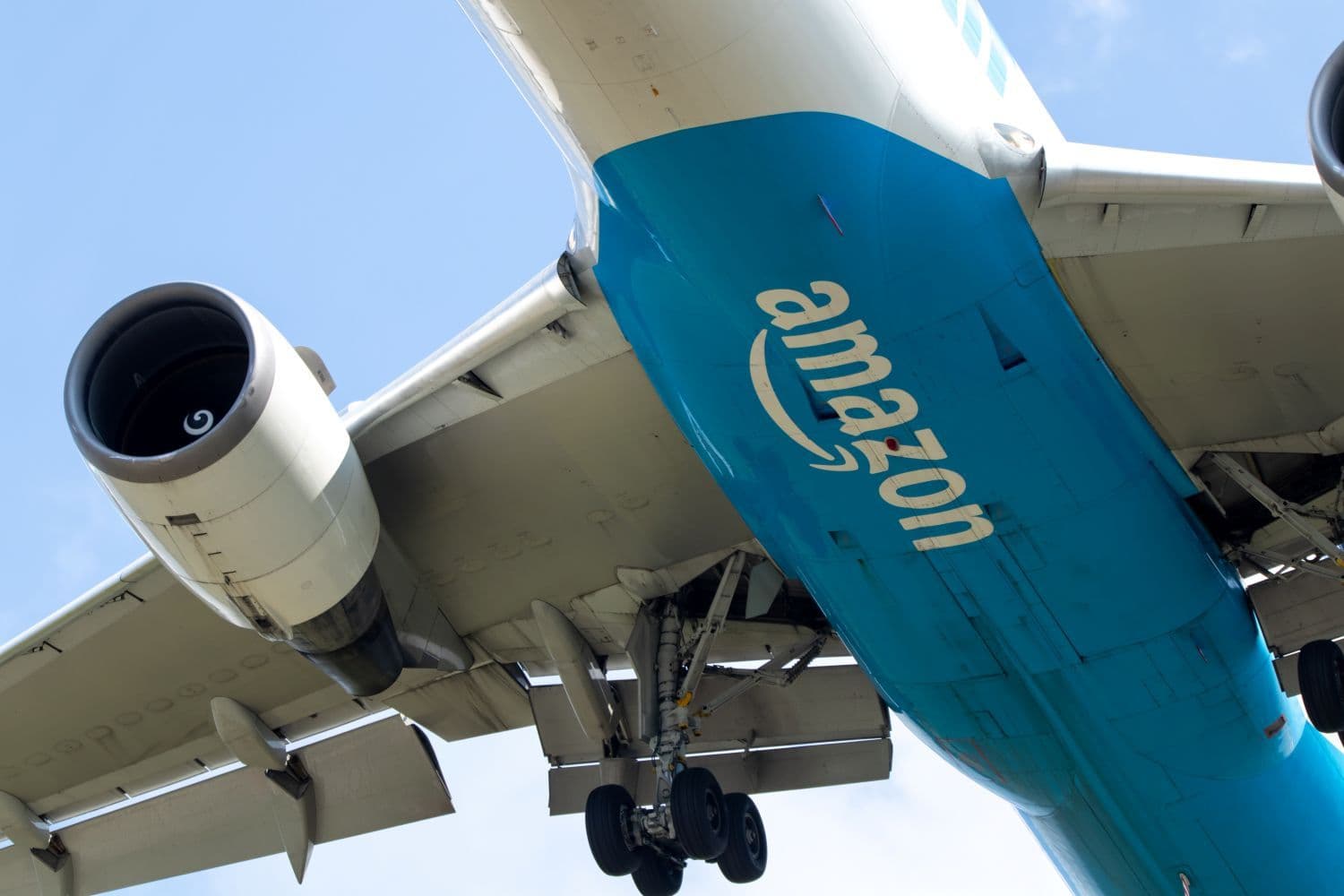
Amazon recently unveiled a new suite of bundled supply chain services, a move that has elicited varied responses from seasoned professionals in the logistics and transportation sectors. Some industry veterans quickly dismissed the announcement, characterizing it as merely a repackaging of capabilities Amazon already possesses and offers. They suggest that the company is not introducing fundamentally new services but rather consolidating and marketing its existing logistics infrastructure in a more integrated fashion.
Conversely, other experts are not as quick to disregard Amazon's initiative. They view this expansion as a potentially significant development that could impact the competitive landscape for traditional third-party logistics (3PL) providers. The concern stems from Amazon's vast network, technological prowess, and deep pockets, which could allow it to offer highly competitive rates and integrated solutions.
For freight forwarders and operations managers, this development signals a potential shift in the competitive environment. While Amazon's primary focus has historically been on its own e-commerce fulfillment, a more explicit offering of bundled services to external businesses could intensify competition, particularly in areas like warehousing, last-mile delivery, and potentially even some aspects of freight management. Forwarders might need to emphasize their specialized expertise, personalized service, and ability to handle complex, multi-modal international shipments to differentiate themselves. It could also lead to increased pressure on pricing for certain domestic logistics services.
Should Amazon aggressively pursue this market, it could force 3PLs to innovate further, specialize, or seek new niches to maintain their market share. The long-term implications will depend on the scope and pricing strategy Amazon adopts for these bundled services.