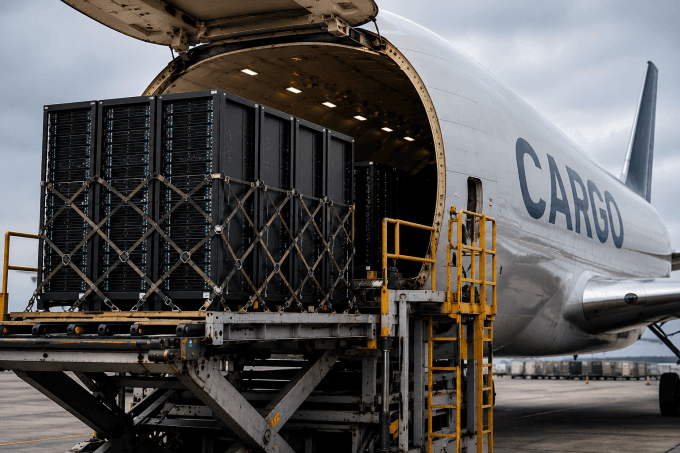
The air cargo industry, particularly its fastest-growing segment, is poised for significant disruption should the Strait of Hormuz remain closed. This vital waterway's inaccessibility would likely impede the flow of goods, creating ripple effects across global supply chains.
While the source article mentions an "AI boom and helium supply crisis" in its title, the body of the article focuses solely on the impact of the Strait of Hormuz closure on air cargo growth. Therefore, the summary and analysis are based on the content provided within the article's body.
For freight forwarders and shippers, a prolonged closure of the Strait of Hormuz would likely lead to increased demand for air freight services as businesses seek alternative, faster routes for urgent shipments. This surge in demand could result in higher air freight rates and reduced capacity, particularly for routes connecting to or bypassing the Middle East. Forwarders should anticipate potential delays and consider diversifying their routing strategies to mitigate risks associated with this critical chokepoint.
The article does not specify what actions might be taken next or provide a timeline for any potential resolution regarding the Strait of Hormuz.