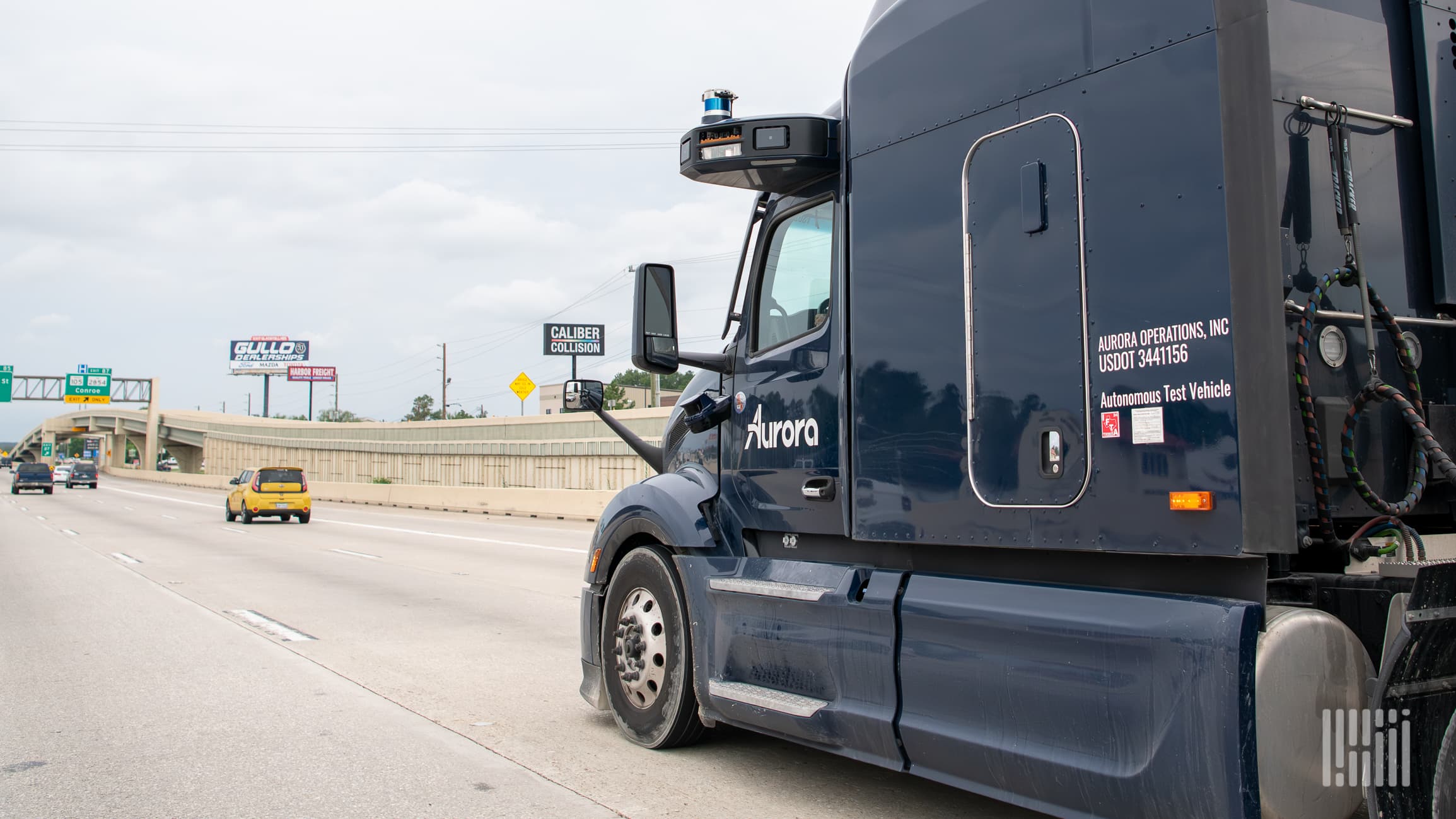
The freight industry is facing a critical need to develop comprehensive protocols for handling autonomous truck breakdowns. Key questions revolve around how these vehicles will be managed when they malfunction on highways, particularly during off-peak hours like 2 AM. The current lack of standardized procedures raises concerns for various stakeholders, including carriers, drivers, regulators, and first responders.
Addressing these challenges requires a collaborative effort to define responsibilities and establish clear action plans. This includes determining who is accountable for securing the vehicle and its cargo, how emergency services will interact with autonomous systems, and the process for recovery and repair. The integration of autonomous technology into mainstream logistics necessitates a robust framework to ensure safety, minimize disruption, and maintain operational efficiency.
For freight forwarders and operations managers, the implications are significant. Unforeseen breakdowns of autonomous trucks could lead to delays in transit times, potential cargo security risks, and complex liability issues. Without clear guidelines, managing such incidents could become a logistical nightmare, impacting supply chain reliability and increasing operational costs. Forwarders need to understand the contingency plans of carriers utilizing autonomous fleets to mitigate potential risks and ensure seamless service delivery.
Moving forward, the industry must prioritize the creation of detailed emergency response plans, training for first responders on autonomous vehicle interaction, and clear communication channels between all parties involved. Establishing these frameworks proactively will be crucial for the successful and safe deployment of autonomous trucking technology.