The United Arab Emirates (UAE) is currently navigating a complex strategic landscape due to escalating tensions in the Strait of Hormuz. This situation is forcing Abu Dhabi to reconsider its established foreign policy, which has historically been founded on commercial neutrality and fostering broad international trade relationships.
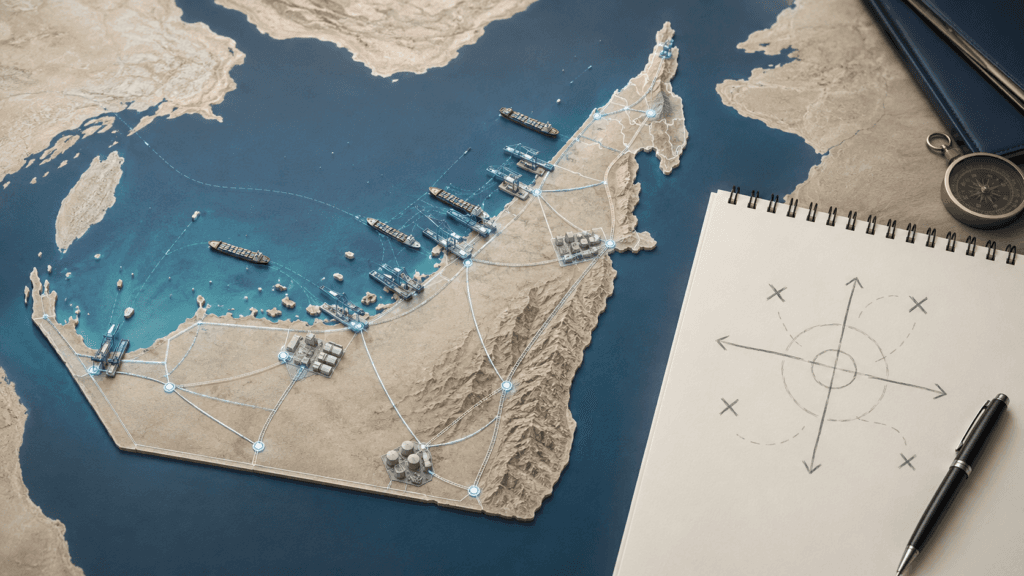
The primary concern stems from the geographical proximity of UAE ports to areas of potential conflict, placing them within what is described as Iran's targeting geometry. This development significantly complicates the UAE's position, as its previous strategy of maintaining neutrality is now challenged by direct security implications.
For freight forwarders and shippers, this evolving situation introduces heightened geopolitical risk in the region. While the immediate impact on shipping routes and port operations remains to be seen, the potential for disruption could lead to increased insurance premiums, re-routing considerations, or delays for cargo transiting through or destined for UAE ports. Forwarders should closely monitor advisories and consider contingency plans for shipments in the Arabian Gulf.
Despite its well-developed global logistics infrastructure and network, the UAE's options for navigating this crisis appear to be narrowing. The need to balance economic interests with national security concerns presents a significant dilemma, potentially leading to shifts in regional alliances or trade policies.