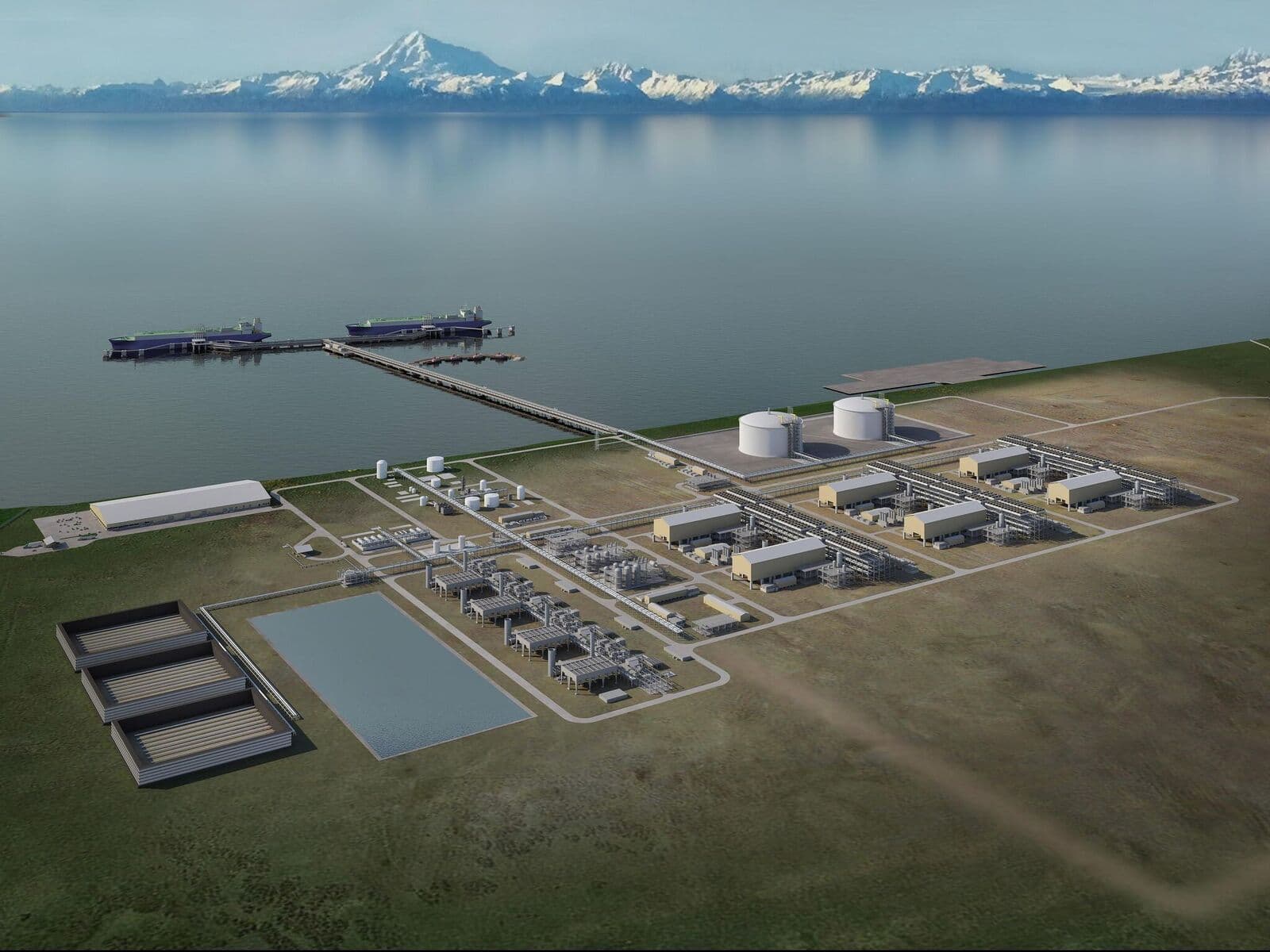
Refinery-related stocks across Asia saw significant gains in early trading on October 2nd. This surge was primarily attributed to Asian refining margins reaching all-time highs, a direct consequence of China's decision to cease petroleum product exports. The reduced supply from China created a tighter market, allowing refiners to command higher prices for their products.
Adding to this market momentum, international oil prices climbed. This increase was linked to the United States' reported plans to deploy additional military forces to the Middle East, a development that typically fuels concerns about supply disruptions and pushes crude oil benchmarks higher.
For freight forwarders and supply chain analysts, these developments signal potential impacts on bunker fuel costs and the pricing of refined petroleum products. Higher refining margins and rising crude oil prices will likely translate into increased bunker fuel expenses for shipping lines, which could then be passed on to shippers through higher freight rates or surcharges. The geopolitical tensions in the Middle East, if escalated, could also introduce further volatility and risk premiums in the oil market, affecting global logistics costs and potentially disrupting trade flows for energy-related commodities.